How to Use Doenjang: 7 Ways Beyond Stew
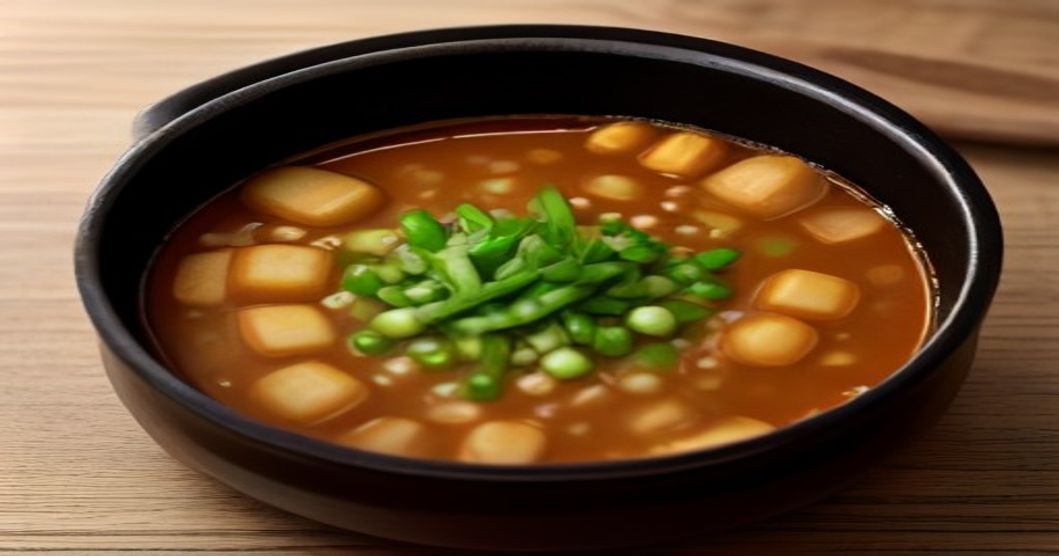
Disclosure: This guide may contain affiliate links; we may earn a small commission at no extra cost to you. Suggestions reflect common Korean home cooking, not paid placement.
Doenjang-jjigae, the everyday soybean-paste stew, is where most people meet doenjang — and then the tub sits unused. That’s a shame, because doenjang is a savory workhorse that adds instant depth to far more than stew. Here’s how to put the rest of the jar to work.
Seven ways to use doenjang
| Use | How | Note |
|---|---|---|
| Stew (jjigae) | Dissolve into broth with tofu, veg | The classic |
| Soup (guk) | Thin amount in a light vegetable soup | Milder than jjigae |
| Namul seasoning | Toss with blanched greens, sesame oil | Use a small dab |
| Ssamjang base | Mix with gochujang, garlic, sesame | For BBQ wraps |
| Marinade | Blend with garlic, oil, a little sugar | Pork, mackerel |
| Dipping sauce | Loosen with sesame oil for raw veg | Go light — it’s salty |
| Umami booster | A tiny bit in braises or soups | Adds savory depth |
The one rule: dissolve and go light
Doenjang is concentrated, funky, and salty. Straight from the tub it’s overpowering, so it works best dissolved into liquid where it can spread out — broth, soup, or a marinade. Start with about a tablespoon for a pot of stew and adjust. And because it’s already salty, hold back on added salt until you’ve tasted.
Cooked, not raw (mostly)
Unlike ssamjang, doenjang isn’t meant to be eaten straight as a dip on its own — it’s too sharp. When you do use it “raw,” dilute it heavily with sesame oil and other seasonings. Its real strength is cooking: simmered into a stew, the funk softens into rich, rounded umami. If you’re unsure how it differs from Japanese miso, our doenjang vs miso guide breaks it down, and for choosing a jar, see the best doenjang brands guide.
Quick wins
- 10-minute doenjang soup: Whisk a spoon into vegetable broth, add tofu and greens.
- Namul upgrade: Toss blanched spinach with a dab of doenjang, garlic, and sesame oil.
- Pork marinade: Doenjang + garlic + sesame oil + a little sugar, then grill.
- Instant ssamjang: 2 parts doenjang to 1 part gochujang plus garlic and sesame.
Bottom line
Think of doenjang as your savory depth charge: dissolve a little into soups, stews, marinades, and namul, and it does the seasoning work of salt plus umami. Keep the amounts modest, cook it rather than eating it raw, and one tub will flavor weeks of Korean meals.
FAQ
Can I eat doenjang raw? Not on its own — it’s too salty and sharp. Dilute it heavily with sesame oil and aromatics, or use it cooked.
How much doenjang for a stew? Start with about one tablespoon per pot, dissolve it into the broth, and adjust to taste.
Is doenjang very salty? Yes — treat it as your salt source in a dish and taste before adding more seasoning.