Korean BBQ at Home Setup: Everything You Need to Cook Like a Pro
Disclosure: This post may contain affiliate links. We may earn a commission on qualifying purchases at no extra cost to you.
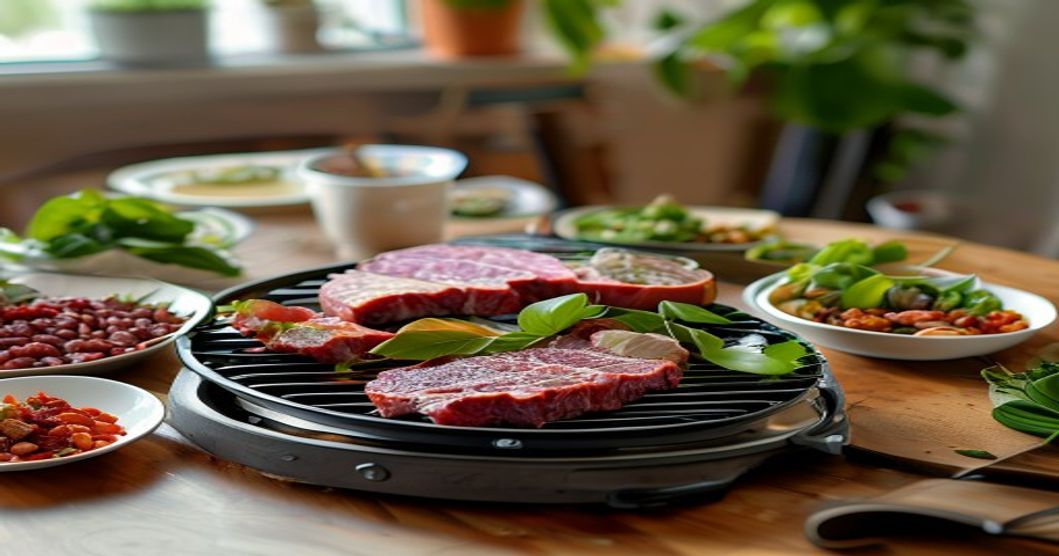
If you’ve ever sat around a table at a Korean BBQ restaurant, watching meat sizzle right in front of you while little bowls of banchan crowd every inch of the table, you already know the magic. The good news: that exact experience is absolutely doable at home. I’ve been cooking Korean BBQ for my family for years, and while it looks elaborate, the setup is straightforward once you understand the building blocks. This guide walks you through everything — the right equipment, the best cuts, the marinades, and the banchan — so your first (or next) Korean BBQ night at home is one to remember.
Best Pick
Perfect for home cooks who want authentic char and heat retention. The dome shape channels fat away from the meat, reducing flare-ups, and cast iron holds even heat beautifully for pork belly and galbi. Best used near a range hood or open window.
Check on Amazon →
Best Value
Ideal for apartment dwellers or anyone without strong ventilation. Smokeless electric grills won’t produce the same charred crust as open flame, but they handle bulgogi and thinly sliced meats very well and are easy to clean. A practical compromise for weeknight KBBQ nights.
Premium
For backyard BBQ sessions, a small portable charcoal grill placed at table height delivers the most authentic result. Binchotan charcoal (white charcoal, widely used in Korean and Japanese grilling) burns hotter and cleaner than standard briquettes. The smoke flavor is unbeatable.
Korean BBQ at Home Setup: What You Actually Need
Let’s break the setup into four categories: equipment, meat, sauces/marinades, and banchan. You don’t need everything on day one — start with the grill and two or three meat options, and build your banchan game over time.
1. The Grill — Your Most Important Decision
The grill determines your whole experience. Here’s a practical breakdown by living situation:
- House with range hood: A cast iron dome grill or a Korean-style round grill plate that sits directly over your stovetop burner is the most authentic indoor option. Set the ventilation to maximum.
- Apartment without strong ventilation: A smokeless electric grill is your safest choice. Look for models with a drip tray that channels fat away from the heating element — this is what actually reduces smoke.
- Backyard or patio: A portable charcoal grill, ideally elevated to table height with legs or a stand, gives you the full Korean BBQ restaurant experience. Seat everyone around it and let the meat cook right at the table.
One piece of equipment many people overlook: long-handled metal tongs and scissors. In Korean BBQ, scissors are used to cut meat directly on the grill into bite-sized pieces — it’s not just for show, it genuinely makes eating easier and prevents over-cooking while you fumble with chopsticks. Pick up a dedicated pair of kitchen shears to keep at the table.
2. The Meat — Cuts That Make or Break the Night
You don’t need to serve every cut. For a first setup, pick two: one marinated, one unmarinated.
| Cut | Korean Name | Marinated? | Best For |
|---|---|---|---|
| Thick-cut pork belly | 삼겹살 (Samgyeopsal) | No — plain | Beginners; pairs with ssamjang dip |
| Thin-sliced ribeye or sirloin | 불고기 (Bulgogi) | Yes — soy + pear | Crowd-pleaser; cooks very quickly |
| Bone-in or boneless short ribs | 갈비 (Galbi) | Yes — soy + sesame | Rich flavor; special occasions |
| Thinly sliced beef brisket | 차돌박이 (Chadolbaegi) | No — plain | Cooks in seconds; fatty and rich |
| Marinated pork shoulder/neck | 목살/항정살 (Moksal) | Optional | Hearty; great with spicy paste |
Where to buy: Korean or Asian grocery stores will carry most of these, sometimes already cut to the right thickness. For online sourcing, Amazon carries frozen Korean-style meat cuts and building your Korean pantry with the right marinades and sauces makes the difference between flat and deeply flavored meat.
3. Marinades — The Heart of Korean BBQ Flavor
The marinade is where Korean BBQ sets itself apart. Two essential recipes to know:
Bulgogi Marinade (for thin-sliced beef):
Soy sauce, grated Asian pear or kiwi (the fruit enzymes are the tenderizer — this is non-negotiable), minced garlic, grated ginger, sesame oil, a little sugar or honey, and black pepper. Mix, coat the meat, and rest for at least a couple of hours — overnight is better. The fruit breaks down the proteins and gives the beef its signature silky texture.
Galbi Marinade (for short ribs):
Similar base — soy sauce, Asian pear, garlic — but with a higher ratio of sugar and sometimes a splash of mirin or rice wine to balance the richness of the ribs. Score the meat between the bones so the marinade penetrates deeply, and give it several hours at minimum — overnight is ideal.
For the ssamjang dipping sauce (eaten with plain samgyeopsal and lettuce wraps): combine doenjang (fermented soybean paste), gochujang, sesame oil, minced garlic, and a pinch of sugar. This is the dip that makes unwrapping a parcel of pork belly, garlic, and perilla leaf into something extraordinary. You can find both doenjang and gochujang online — for a trusted guide on choosing the right gochujang, check out this Korean home cook’s guide to authentic gochujang brands.
4. Banchan — The Side Dishes That Complete the Table
A Korean BBQ meal without banchan is just grilled meat. The side dishes provide acid, crunch, and contrast that make the whole meal come alive. Here’s a realistic starting lineup for home cooks:
- Baechu-kimchi (fermented napa cabbage) — the non-negotiable anchor of every Korean table. Store-bought is completely fine for KBBQ nights.
- Pickled radish (danmuji) — bright yellow, sweet, crunchy. Cuts through fatty meat perfectly.
- Kongnamul muchim (seasoned soybean sprouts) — simple to make, light and refreshing.
- Japchae (glass noodles with vegetables) — optional, but kids and guests love it.
- Sliced raw garlic + green chili peppers — placed directly on the grill for a few seconds and wrapped with meat.
- Ssam leaves — butter lettuce, perilla (kkaennip), or both for wrapping grilled bites.
Who This Setup Is For — and Who It Isn’t
This Korean BBQ at home setup works well for:
- Home cooks who love an interactive, communal dinner experience
- Families with access to a Korean or Asian grocery store (or willing to order pantry staples online)
- People with at least some ventilation — a range hood, open window, or outdoor space
- Anyone who wants to control quality and cut down on the cost of restaurant Korean BBQ nights
- Cooks comfortable with some prep ahead of time (marinades made the night before)
This might not suit you if:
- You live in a studio apartment with zero ventilation — even smokeless grills produce some smoke with fatty cuts
- You need everything on the table very quickly — the banchan prep and marinating take planning
- You’re looking for a low-effort weeknight meal — KBBQ is a weekend, celebratory-meal kind of cooking project
- You don’t have access to the right meat cuts (thin-sliced samgyeopsal isn’t available at every supermarket)
- Typically more affordable per person than a KBBQ restaurant
- Full control over marinade ingredients and meat quality
- An incredibly social, fun dinner format for groups
- Leftovers (especially bulgogi) are excellent the next day in rice bowls or sandwiches
- Pantry ingredients like soy sauce, sesame oil, and gochujang are reusable across many recipes
- Smoke is real — you need a ventilation plan before you start
- Upfront cost for a decent grill isn’t trivial
- Sourcing the right cuts can require a specialty grocery trip
- Banchan prep adds time (though most can be made days ahead)
- Cleanup after a high-heat, fatty grilling session takes effort
Building Your Korean BBQ Pantry
Once you have your grill sorted, the pantry is where you invest for the long haul. The core ingredients for Korean BBQ marinades and dipping sauces overlap significantly with everyday Korean cooking — so buying them means you’re stocking up for a dozen other recipes, not just one meal. Essentials to have on hand:
- Soy sauce (ganjang) — use a Korean-brand soup soy sauce for marinades
- Sesame oil — buy a toasted variety; the aroma difference versus untoasted is significant
- Gochujang — fermented chili paste; essential for ssamjang and spicy marinades. See our guide to the best gochujang brands for help choosing.
- Doenjang — fermented soybean paste for ssamjang and soups
- Maesil syrup (green plum syrup) — a natural sweetener used in many marinades in place of sugar
- Toasted sesame seeds — finishing touch on almost everything
All of these are available on Amazon, often in the same brands you’d find at a Korean grocery store. Check current pricing before buying in bulk — sizes vary significantly.
Korean BBQ at home is one of the most rewarding cooking projects you can take on — it transforms a regular dinner into an event. Start with a cast iron tabletop grill, two meat cuts (samgyeopsal and bulgogi), homemade ssamjang, and kimchi. Get the ventilation sorted before your first session, marinate the bulgogi the night before, and let the table do the rest. Once you’ve nailed the basics, expanding to galbi, more banchan, and even homemade kimchi becomes the natural next step.
Shop Korean BBQ Grills on Amazon →
Disclosure: This post contains affiliate links. As an Amazon Associate I earn from qualifying purchases. If you click through and make a purchase, I may receive a small commission at no extra cost to you. All recommendations are based on research and genuine editorial opinion.