Best Korean Instant Ramen: Top Picks, Taste Comparison & Cooking Tips
Disclosure: This post may contain affiliate links. We may earn a commission on qualifying purchases at no extra cost to you.
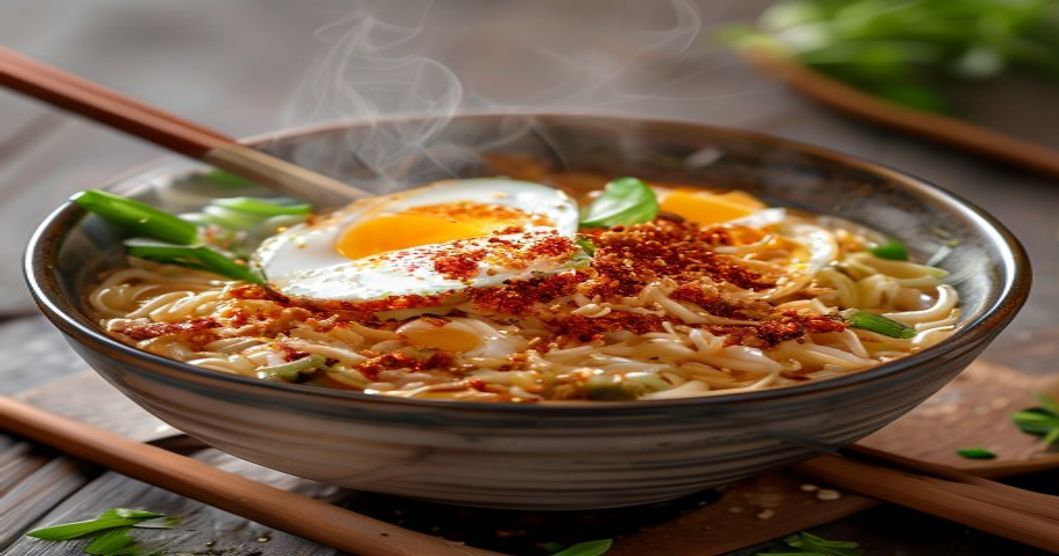
Korean instant ramen—called ramyeon (라면) in Korean—has evolved from a quick college dorm staple into a genuinely delicious meal that deserves respect. If you’ve only tried one or two brands, you’re missing out on surprising flavor differences, noodle textures, and spice levels that rival each other across the aisle. This guide walks you through popular Korean instant ramen options available globally, explains what makes each special, and shares cooking methods to turn a three-minute meal into something you’ll crave.
Popular Choice
A popular choice for Korean instant ramen lovers. Delivers sharp gochugaru heat, deep umami broth, and wavy noodles that grip sauce well. Great as-is or upgraded with an egg and kimchi.
Good Value
A lighter, briny alternative with squid ink noodles (which have a nuttier character than regular noodles) and seafood-broth flavor. Less aggressive spice makes it accessible; versatile for add-ins like vegetables.
High Heat
Designed for spice enthusiasts. The sauce clings aggressively to noodles with significant heat that builds. Flavor is secondary to the spice intensity; pair with cooling sides like yogurt or ice cream if you’re sensitive to heat.
Top Korean Instant Ramen Brands: Head-to-Head Comparison
Before diving into flavor profiles, let’s map the landscape of the brands you’ll encounter in Korean grocery stores or online. Each has a distinct identity:
| Brand & Style | Flavor Profile | Spice Level | Best For |
|---|---|---|---|
| Shin Ramyun (Nongshim) | Bold beef, gochugaru heat, rich umami | Medium-Hot | Traditional Korean ramyeon lovers |
| Nongshim Neoguri | Squid ink noodles, subtle seafood broth | Mild to Medium | Seafood fans, topping customizers |
| Samyang Buldak | Sticky, spicy sauce; chicken and heat | Very High | Spice enthusiasts, heat lovers |
| Ottogi Budae Jjigae | Army stew style, meat and cheese friendly | Medium | Comfort food, fusion cooking |
| Paldo Jjajangmen | Black bean sauce noodles, savory umami | Mild | Chinese-Korean cuisine fans |
Deep Dive: What Makes Each Brand Stand Out
Shin Ramyun: The Classic Bold Choice
Shin Ramyun is a gateway instant ramen for many people discovering Korean food. The red seasoning packet contains gochugaru (Korean red chili flakes), garlic, and beef stock powder that create a complex, spicy heat. The noodles themselves are thick, wavy, and sturdy—they hold their texture well in broth. The flavor builds as you eat; the initial taste is hot and beefy, and continued eating reveals layers of flavor.
This is genuine instant ramen with real flavor, not just convenience. It’s versatile with upgrades: add a soft-boiled egg and frozen spinach and the bowl feels elevated. Many Korean home cooks keep several packs on hand for busy weeknights.
Nongshim Neoguri: The Seafood Favorite
Neoguri means “crab” in Korean, and the broth has seafood character. The packaging typically features squid ink noodles, which have a slightly darker appearance and different flavor profile than regular wheat noodles. The seasoning packet is more restrained than Shin—you get brininess and umami rather than fiery heat. This makes Neoguri an excellent base for customization. Add kimchi and a fried egg, or keep it simple with green onions and sesame oil. The noodles cook quickly, and the broth remains lighter, making it suitable for warm-weather meals or lighter appetites.
Samyang Buldak: The Challenge King
Buldak translates to “fire chicken,” and the name describes the product accurately. This is the instant ramen known for its viral challenge videos. The seasoning comes as a thick, sticky sauce packet rather than a powder, and it coats the noodles heavily. The spice is designed to build throughout eating—many describe it as a persistent heat rather than a sharp kick. The chicken flavor is present beneath the spice, but the primary characteristic is heat level. The noodles are thinner and have a different texture than Shin Ramyun, allowing them to absorb the thick sauce effectively.
If you’re new to Korean instant ramen or prefer milder foods, this variety may be too intense. But if you enjoy high-heat foods, this delivers that experience.
Ottogi Budae Jjigae: The Comfort Upgrade
Budae Jjigae is a Korean army stew traditionally made with spam, hot dogs, kimchi, and ramen. This instant ramen version captures that concept—it’s designed to be customized with processed meats, cheese, and vegetables. The base broth is tomato-flavored and less aggressively spicy than Shin, making it compatible with cheese or butter without flavor conflicts. The result is comforting and indulgent, blending Korean and Western flavors. Many international fans prefer this variety because the flavor profile accommodates diverse toppings naturally.
Paldo Jjajangmen: The Black Bean Alternative
If you want to move away from the red-chili standard, Paldo Jjajangmen offers black bean sauce noodles—inspired by Chinese-Korean jjajangmyeon (noodles with black bean sauce). The seasoning is dark, salty, and umami-forward without heat. It’s a different eating experience: savory rather than spicy, comforting rather than intense. Good for those wanting instant noodles without spice, or as a base for stir-fried toppings.
Noodle Texture: Why It Matters More Than You Think
Instant ramen noodles come in several base styles, and texture significantly affects your eating experience:
- Thick Wavy Noodles (Shin Ramyun, many Nongshim versions): Sturdy, grip sauce well, stay chewy in broth, work well with multiple toppings.
- Thin Wavy Noodles (Samyang Buldak, some Paldo): Absorb sauce readily, cook relatively quickly, suit sauce-heavy preparations.
- Squid Ink Noodles (Neoguri): Medium thickness with a distinctive flavor character, slightly darker color, hold texture well, convey a more upscale impression.
- Straight Noodles (some regional brands): Less common in mainstream Korean instant ramen; offer a different mouthfeel when available.
Pro tip: When cooking multiple packs for a group, water temperature and cooking time matter significantly. Use a rolling boil, add noodles, and cook for 3–4 minutes. Shorter cooking time produces chewier noodles; longer cooking (past 5 minutes) risks mushiness. Drain immediately when done to stop the cooking process.
Where to Buy: Quality, Price & Convenience
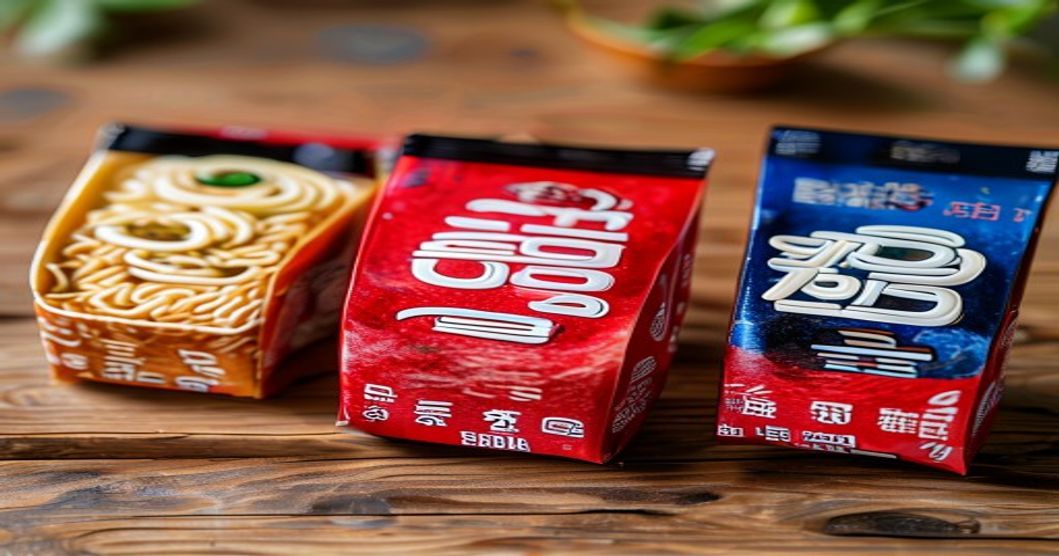
Korean instant ramen is widely available now. You’ll find major brands at most Asian grocery stores, Korean markets, and increasingly in mainstream supermarkets in the international aisle. Online marketplaces like Amazon offer multi-packs that often cost less per unit than individual retail purchases. Pricing typically ranges from under $1 to roughly $1.50 per pack depending on brand, origin, and whether you’re buying singles or boxes of 5–10.
For selection and product freshness, Korean grocery stores typically stock newer inventory and may carry regional varieties unavailable elsewhere. Building a relationship with local Asian market staff can provide access to tips on lesser-known options or seasonal items.
When buying online, check shipping dates and expiration windows. Instant ramen is shelf-stable, but fresher product is preferable. Bulk purchases make sense for regular consumers; starting with single packs of 3–4 brands helps you identify favorites before committing to larger quantities.
How to Cook Korean Instant Ramen Like a Home Cook
Standard box instructions are adequate, but this method can enhance flavor and texture:
- Boil water: Use roughly 2–2.5 cups of water per pack. A rolling boil helps the noodles separate and cook evenly. Lower temperatures yield slower cooking and softer noodles.
- Add noodles only: Don’t add the seasoning packet yet. Boil noodles for 3–4 minutes, stirring occasionally to prevent sticking. Noodles are ready when they bend easily but retain slight firmness.
- Season at the end: When noodles are nearly done, add the seasoning and any liquid ingredients (like gochujang if you’re using it). This prevents seasoning from burning and ensures even distribution.
- Add soft-boiled eggs (optional): Prepare eggs separately (boil for 6–7 minutes, then cool briefly before peeling). Slice and add just before serving to keep the yolk runny.
- Finish with toppings: Green onions, sesame seeds, nori, kimchi, or sesame oil. These add flavor, texture, and visual interest—transforming “quick meal” into “intentional dish.”
One helpful technique: add a small amount of unsalted butter, a splash of milk, or a cheese slice to the finished bowl. Dairy softens sharp spice and enriches the broth. This works especially well with Shin Ramyun or Buldak if you find them too intense on their own.
Customizing Korean Instant Ramen: Upgrade Ideas
The appeal of instant ramen is the combination of speed and customization potential. Here are popular additions:
- Soft-boiled egg
- Fresh or frozen spinach
- Kimchi (adds tang and probiotics)
- Canned tuna or cooked ground beef
- Corn, mushrooms, or peas
- Cheese (American or cheddar)
- Butter and sesame oil
- Green onions and sesame seeds
- Excess salt—seasoning packet is already substantial
- Multiple spicy elements (avoid Buldak + additional heat)
- Over-cooking vegetables (they become mushy)
- Overstuffing the bowl—noodles need room
- Mixing acidic and extreme-spice varieties (can create unpleasant combinations)
Keep gochujang paste or roasted sesame oil on hand—these transform instant ramen from convenient to genuinely enjoyable. A small amount of gochujang adds fermented depth; sesame oil at the end adds aroma and richness.
Who This Is For (And Who It Isn’t)
This Works If You:
- Want a tasty meal in under 5 minutes, not just survival food
- Love bold, spicy flavors or are curious about Korean food culture
- Appreciate the ritual of slurping noodles and building flavor
- Are looking for affordable, shelf-stable comfort food
- Enjoy customizing simple base ingredients
- Are exploring Korean food beyond Japanese instant ramen
This Probably Isn’t For You If:
- You avoid spice—most Korean instant ramen is noticeably spicier than Western instant noodles
- You prioritize very low sodium—instant ramen contains substantial sodium (check the packet for specifics)
- You have allergies to soy, shellfish, wheat, or MSG (always read the seasoning packet)
- You believe instant food is inherently inferior
- You have specific dietary restrictions that exclude common ramyeon ingredients
Korean Ramyeon vs. The Competition: Why It’s Different
How does Korean instant ramen compare to Japanese instant ramen or American instant noodles?
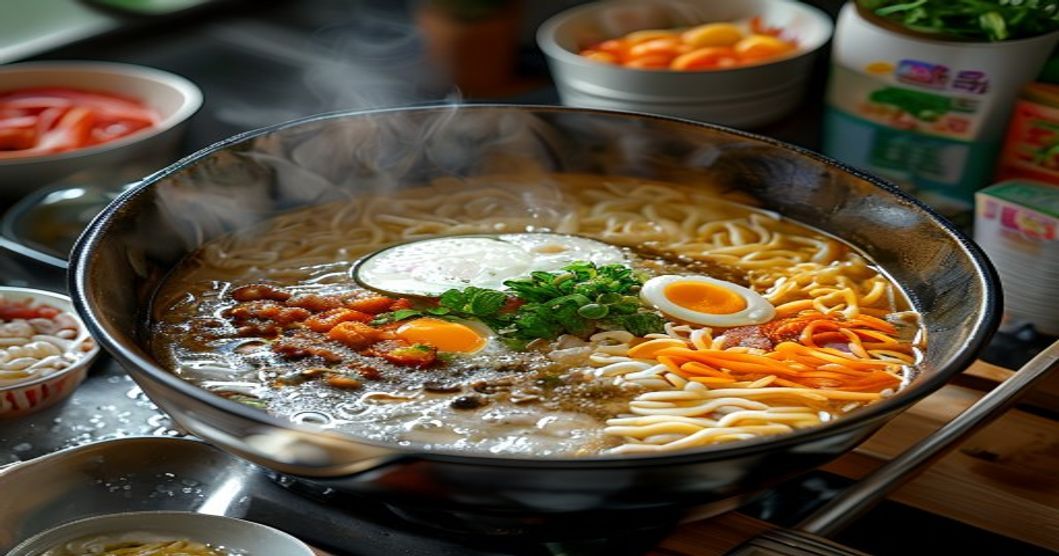
Flavor approach: Korean ramyeon emphasizes gochugaru, garlic, and fermented elements. Japanese ramyeon focuses on umami and delicate broths. American instant noodles tend toward milder, simpler profiles. The choice depends on what you’re seeking.
Noodle structure: Korean noodles are typically wavier and sturdier, resisting breakdown in broth and holding sauce effectively. This makes them suitable for creative toppings.
Broth character: Korean seasoning packets often include more aromatics (garlic, sesame, seafood powder), creating noticeably richer broth. Japanese broths are often lighter. Both approaches have merit depending on preference.
Value: Popular Korean brands like Shin Ramyun and Neoguri deliver notable flavor at reasonable prices—typically $0.60–$1.00 per pack.
If you’ve been eating plain instant noodles for years, trying a quality Korean brand will demonstrate real differences in flavor and ingredient quality.
Shopping Tips: Getting the Best Deal & Quality
- Buy multi-packs: Boxes of 10 or 20 are noticeably cheaper per unit than singles. Large retailers and Asian markets offer bulk options.
- Check dates: Even shelf-stable items benefit from freshness. Verify dates before purchase.
- Compare prices at different stores: Local Korean or Asian markets may offer better pricing than mainstream supermarkets on the same brands.
- Look for variety releases: Korean brands periodically offer limited editions that cycle through stores. Ask staff about upcoming varieties.
- Set price alerts: Online marketplaces like Amazon often have sales on bulk packs. Alerts help you catch deals.
- Check loyalty programs: Many Korean markets offer membership discounts. Regular purchases add up.
Related reading: If you’re interested in deeper Korean cooking fundamentals, explore How to Make Kimchi at Home: A Korean Home Cook’s Complete Guide and Best Gochujang Brands for Authentic Korean Cooking: A Complete Buyer’s Guide to understand more about the core flavors that define Korean ramyeon seasoning packets.
Korean instant ramen is a satisfying meal when you choose thoughtfully and invest a few minutes in upgrades. Shin Ramyun is a reliable standard for bold, spicy comfort; Nongshim Neoguri offers a lighter, seafood-forward option; and Samyang Buldak delivers heat for enthusiasts. All are available online and at Asian grocery stores. Start with a variety pack, taste different brands, and build your staples from there. In a few weeks, you’ll have a favorite that feels personal, not just convenient. That’s the difference between eating instant ramen and making a meal you look forward to.
Affiliate Disclosure
This article contains affiliate links to online retailers where you can purchase Korean instant ramen and related cookware. I may earn a commission if you click a link and make a purchase, at no additional cost to you. As an Amazon Associate I earn from qualifying purchases. This helps support my work creating honest, detailed guides for Korean food lovers. All recommendations are based on genuine product merit and community feedback, not affiliate relationships.