Korean Pantry Essentials: A Home Cook’s Guide to Building Your Korean Kitchen
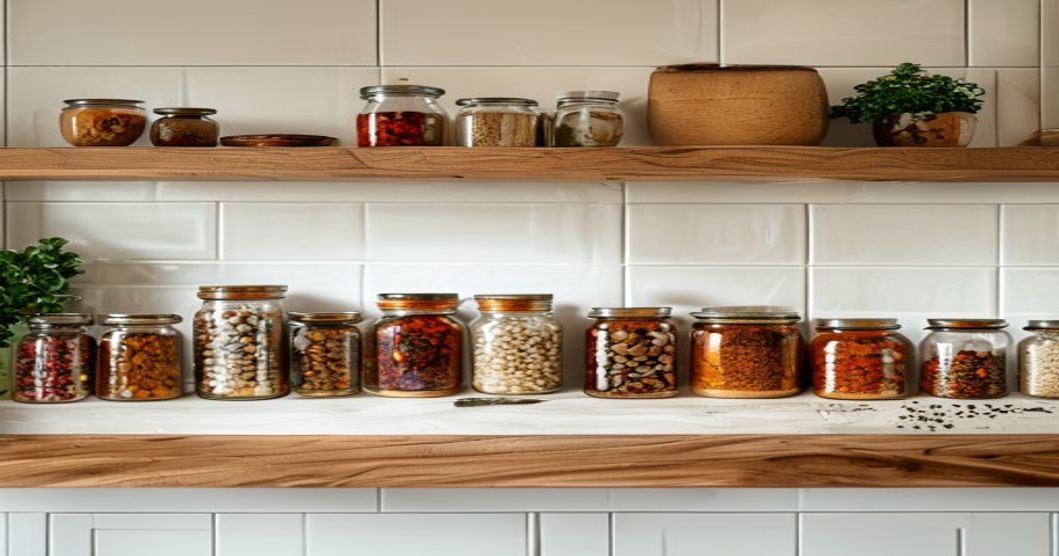
Building a Korean pantry from scratch can feel overwhelming if you’ve never cooked Korean food before. Walking into a Korean grocery store—or scrolling through an online shop—hits you with rows of unfamiliar jars, bottles, and packages. Which ones do you actually need? Which brands are worth buying? And how on earth do you use them?
Top Picks: Essential Korean Pantry Ingredients
Essential First Buy
Gochugaru is the backbone of Korean cooking—a dried, ground red chili with a mild heat level and subtle sweetness. You’ll use it for kimchi, tteokbokki, spicy soups, and countless other dishes. Unlike hot chili powders from other cuisines, gochugaru is designed to flavor rather than burn.
Best Value
Doenjang is a deep, umami-rich paste made from fermented soybeans. It’s the soul of doenjang jjigae (soybean soup), a dish that appears on almost every Korean dinner table. One jar lasts for several months because you use small amounts. Buy a traditional (slow-fermented) brand if possible—it tastes noticeably better than industrial versions.
Premium Pick
Gochujang is a thick, fermented red chili paste sweetened with glutinous rice and aged for depth. It’s the base for bibimbap, Korean fried rice, marinades, and countless sauces. The best versions are naturally fermented and take time to develop—it’s worth paying more for quality here. One jar opens entire categories of Korean cooking.
Why These Five Ingredients Matter Most
When I teach people to cook Korean food, I always start with the same conversation: “You don’t need a massive pantry.” What you need is the right pantry. A Korean kitchen built on five core ingredients—gochugaru, doenjang, gochujang, soy sauce, and sesame oil—unlocks hundreds of authentic recipes. These five form the flavor foundation that makes Korean food taste like Korean food, not a watered-down imitation.
Gochugaru and gochujang are often confused because they both contain chili, but they serve entirely different purposes. Gochugaru is a dry powder—you use it for seasoning, sprinkling onto finished dishes, or mixing into marinades. Gochujang is a paste you use to build flavors in sauces, soups, and stews. Both are essential, and you can’t substitute one for the other without changing the dish completely.
Doenjang and soy sauce are equally important. Doenjang is savory, fermented, and deeply umami-forward. Soy sauce is brighter and saltier. Korean cooking typically uses both, layering their distinct flavors. Using only one leaves your food tasting flat or one-dimensional.
Sesame oil is the accent—a small pour transforms a simple plate of rice or soup into something aromatic and complete. Korean sesame oil is darker and more fragrant than lighter varieties from other regions, so it’s worth buying the Korean kind specifically.
Building Beyond the Core Five
| Ingredient | Use & Purpose | When to Add |
|---|---|---|
| Rice Vinegar | Brightens soups and marinades; essential for bibimbap | After the core five |
| Mirin or Cooking Wine (Mirin/Soju) | Adds slight sweetness and depth to sauces and stews | Once you master basics |
| Dashi or Anchovy Stock (Dried Anchovies) | Builds savory broth base for soups and stews | For soup-forward recipes |
| Nori (Seaweed Sheets) | Wraps kimbap and sushi; adds umami to rice dishes | As you branch into rolls |
| Roasted Sesame Seeds | Garnish for almost every savory dish; nutty flavor | Early purchase (inexpensive) |
| Garlic & Ginger (Fresh or Minced) | Aromatics for almost every savory dish | Immediately—these are non-negotiable |
Once your core five are stocked, the next tier of ingredients becomes clearer. Rice vinegar brightens flavors and is essential for bibimbap. Dried anchovies (or kombu/kelp) create the savory broth base that makes Korean soups sing. Roasted sesame seeds are inexpensive and appear on nearly every dish, adding texture and nuttiness.
Fresh garlic and ginger belong in this second tier too—they’re used in nearly every savory Korean recipe and can’t really be substituted. Unlike the shelf-stable pastes, you’ll buy these regularly at your regular grocery store.
Where to Buy Authentic Korean Ingredients
If you live near a Korean grocery store, that’s your first stop. You can see the products in person, check expiration dates, and often find competitive prices. But if you don’t, don’t worry—online shopping is reliable and increasingly affordable.
Online retailers: Major platforms like Amazon carry Korean brands (CJ, Nongshim, Sempio, Ottogi). Weee! and H-Mart’s website are dedicated to Asian groceries. Check current pricing and shipping options on any platform before ordering, as costs vary seasonally and by location.
Brand quality matters: Look for Korean brand names, not generic versions. CJ and Sempio make consistently good gochujang and doenjang. For gochugaru, brands like Nongshim are reliable. Reading reviews from other Korean cooks helps—they’ll mention if a brand has changed quality or if a product is authentic.
Storage after arrival: Pastes (gochujang, doenjang) should go straight into the refrigerator—they develop mold faster at room temperature, especially if you live in a humid climate. Dry ingredients like gochugaru and sesame seeds stay best in cool, dark cupboards in airtight containers.
- Unlock hundreds of authentic recipes instantly
- Ingredients last months once opened (cost-effective)
- Cook restaurant-quality food at home for less
- Flavors improve with practice—no substitutes needed
- Builds confidence to explore Korean cuisine deeper
- Initial shopping trip feels overwhelming (many unfamiliar items)
- Online shopping costs shipping; prices vary by location and season
- Fermented pastes require refrigerator space
- Learning what to do with each ingredient takes time
- Discovering your preferred brands requires trial
Who This Guide Is For (and Who It’s Not)
This pantry setup works perfectly for you if:
- You want to cook authentic Korean food at home regularly
- You’re willing to buy ingredients online or visit a Korean store
- You enjoy layered, fermented flavors and spicy-savory profiles
- You want to move beyond following one recipe at a time—you want to understand Korean cooking
- You have basic kitchen storage (a few shelves, refrigerator space)
This guide might not fit if:
- You only want to cook one specific Korean recipe occasionally
- You prefer mild flavors or can’t tolerate spice
- You don’t have access to online shopping or a Korean grocery store
- You have severe soy or fermentation allergies (many Korean staples contain both)
- Your kitchen storage is extremely limited
Making Your First Purchase
I recommend starting with just the core five. Buy them all at once, learn three or four foundational recipes using them, then expand. This approach saves money, prevents waste (you won’t buy things you don’t use), and builds your confidence step by step.
When you’re ready to order online, check the expiration dates in the product photos. Some sellers may have older stock. If a product is well-dated with several months or more until expiration, it’s fine—fermented products age well. If expiration is coming up soon, ask if the seller has fresher stock.
Write down the Korean names of what you’re buying (gochugaru, doenjang, gochujang) along with English translations. It helps you recognize them if they appear under different labels or in different stores later.
Most importantly: don’t stress about perfection. Korean home cooks don’t have identical pantries—we adapt to what’s available and what we love. Your pantry will reflect your taste and your cooking style, and that’s exactly right.
Small Investment, Huge Payoff
Five core ingredients. One trip to the store or one online order. From that simple foundation, you unlock bibimbap, kimchi, tteokbokki, doenjang jjigae, bulgogi, banchan spreads, spicy soups, and countless more dishes. A quality starter investment typically ranges from $40–80 depending on brands and where you source them, and each jar or bottle lasts several months.
The real payoff isn’t just the food (though that’s delicious). It’s the confidence to cook Korean food without relying on recipes, the ability to adjust flavors to your taste, and the joy of feeding people authentic food that tastes like it came from a Korean kitchen. That feeling—that’s worth the investment.
A properly stocked Korean pantry begins with five essentials: gochugaru, doenjang, gochujang, soy sauce, and sesame oil. Quality matters far more than quantity. Invest in authentic Korean brands (look for CJ, Sempio, Nongshim, or Ottogi), store pastes in the refrigerator, and expand your pantry gradually as you cook more recipes. Whether you buy from a local Korean grocery store or order online, these five ingredients will transform your cooking and open the door to authentic Korean cuisine at home.
Shop Korean Pantry Ingredients on Amazon →
Disclosure: This article contains affiliate links. As an Amazon Associate I earn from qualifying purchases. We recommend products based on genuine usefulness and quality, not affiliate commission. If you purchase through our links, it helps support our work at no extra cost to you.