How to Make Kimchi with Mustard Greens and Ginger: A 5-Day Fermented Side Dish Guide
Disclosure: This post may contain affiliate links. We may earn a commission on qualifying purchases at no extra cost to you.
There’s something oddly satisfying about making your own kimchi. You chop, salt, mix, jar, and then wait—and five days later, you’ve got a tangy, spicy, funky condiment that tastes better than anything from a store shelf and costs a fraction of the price. Mustard greens (a staple in Korean cooking) ferment faster than napa cabbage and have a sharper, peppery flavor that cuts through rich dishes beautifully. If you’ve been intimidated by fermentation, this guide strips away the mystique. No fancy equipment, no weird science—just greens, salt, ginger, garlic, and a glass jar.
Fermented mustard green kimchi is ready to eat in 5 days at room temperature, requires no special equipment, and delivers bright, spicy, ginger-forward flavor. Start with fresh greens, good salt, and patience—fermentation does the heavy lifting.
Why Mustard Greens for Kimchi?
Mustard greens are underrated in Western kitchens but common in Korean cooking. They’re smaller and thinner than napa cabbage, which means they absorb salt and seasoning faster and ferment more quickly. The leaves have a natural peppery, slightly bitter edge that pairs brilliantly with the heat of gochugaru (Korean red chili flakes) and the warmth of fresh ginger.
Another win: mustard greens are usually cheaper than specialty napa cabbage, especially if you find them at an Asian market or farmers market. They’re also less watery, so your finished kimchi won’t turn into a soggy pile. The texture stays crisp and snappy, even after weeks in the fridge.
If mustard greens aren’t available or you want to try other options, our guide on making kimchi without napa cabbage using bok choy and radish covers alternatives that work just as well.
Ingredients You’ll Need
Scale this recipe for 2 pounds of fresh mustard greens (about one large bunch). You’ll have enough kimchi to fill a quart-size jar.
- 2 pounds fresh mustard greens (cleaned, roots trimmed)
- 2 tablespoons sea salt (for the initial brine)
- 3 tablespoons gochugaru (Korean red chili flakes—adjust for spice preference)
- 4 cloves garlic, minced fine
- 1 tablespoon fresh ginger, grated or minced very finely
- 1 teaspoon sugar (optional; feeds fermentation)
- 1 tablespoon fish sauce or soy sauce (for umami depth)
- Optional: 1 teaspoon sesame seeds, 1 small carrot (julienned), or 1 green onion (chopped)
Fresh ginger is non-negotiable here. Ground or powdered ginger doesn’t ferment well and tastes stale by day 3. If ginger is hard to find locally, look for it at any Asian grocery or order it online—you only need a small knob. And don’t skimp on gochugaru quality; cheaper versions can be dusty or stale. One good jar lasts months.
Step-by-Step: 5-Day Kimchi Method
Day 1: Prep and Salt Cure (30 minutes active time)
- Clean and trim your mustard greens. Rinse them thoroughly under cold water, rubbing gently to remove any grit. Trim the tough root ends. Cut the greens into 2-inch pieces—not too fine, or they’ll turn mushy during fermentation. Pat dry with a clean towel or paper towels.
- Toss with salt. Place the mustard greens in a large, clean bowl. Sprinkle with 2 tablespoons sea salt and massage gently for about 2–3 minutes. You’re not bruising them hard; you’re just helping the salt release their liquid. Let them sit for 15–20 minutes. The greens will soften slightly and release water into the bottom of the bowl.
- Drain (but keep the brine). Tilt the bowl and pour off most of the liquid into a separate container—don’t waste it; you’ll use it to top your jar later. The greens should still feel slightly wet and salted, not dripping.
Days 1–2: Make the Paste and Mix (15 minutes)
- Prepare your seasoning paste. In a small bowl, whisk together 3 tablespoons gochugaru, 4 minced garlic cloves, 1 tablespoon grated ginger, 1 teaspoon sugar, and 1 tablespoon fish sauce or soy sauce. Mix until it forms a thick, peanut-butter-like paste. If it’s very dry, add 1 tablespoon of the reserved brine to loosen it slightly.
- Combine greens and paste. Return the drained mustard greens to the large bowl. Pour the seasoning paste over them and, using clean hands or two utensils, toss gently but thoroughly until every piece is coated in the red paste. This is the critical step—don’t rush it. Every strand should glisten.
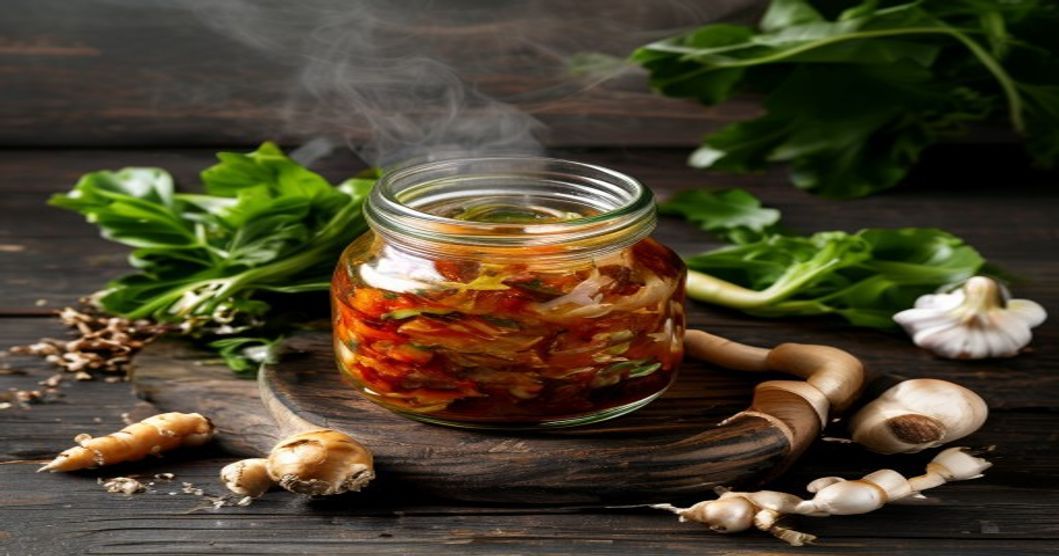
- Pack into a jar. Transfer the coated greens and all the juices into a clean quart-size glass jar or ceramic crock. Pack it down gently so there’s no air gap, but don’t crush the greens. Pour the reserved brine over the top until the greens are just submerged. If you need more liquid, make a quick brine: 1 tablespoon salt mixed with 1 cup water. Tuck a small clean cabbage leaf or piece of plastic wrap on top to keep greens under the surface.
Days 2–5: Ferment at Room Temperature
- Leave it alone (mostly). Cap loosely or cover with a cloth and set the jar on your counter, away from direct sunlight. Fermentation will start within 24 hours—you’ll see tiny bubbles and smell that funky, sour aroma. This is perfectly normal. The cooler your kitchen, the slower the fermentation; the warmer it is, the faster. Ideal range is 65–75°F.
- Taste daily after day 3. On day 3, use a clean fork or spoon to fish out a piece and taste it. It should taste tangy but not vinegary yet, with a gentle tingle of spice. Keep tasting once a day—by day 4 or 5, the flavor will deepen. When it hits your sweet spot, move it to the fridge.
- Refrigerate for long-term storage. Once refrigerated, fermentation slows dramatically. Your kimchi will keep for 2–3 months (or longer), developing deeper, more complex flavor over time. The longer it sits in the cold, the more sour it becomes—taste it every couple of weeks to monitor.
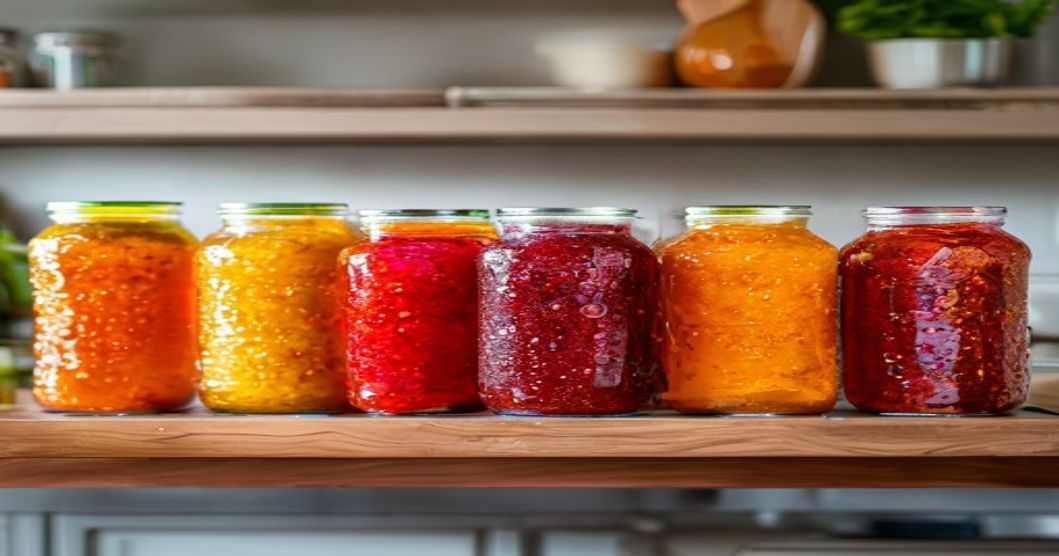
Make two or three jars at once with slightly different spice levels. Keep one jar at room temperature longer for a funkier, more sour profile, and move another to the fridge at day 4 for a fresher, crisper taste. You’ll quickly discover your favorite fermentation window.
Common Troubleshooting
Too Salty or Mushy
If your kimchi tastes overly salty, you used too much salt in the initial cure. Next time, start with 1.5 tablespoons and work up. Mushiness happens when you ferment too long at high heat or over-salt. Mustard greens are delicate—aim for day 5 at 70°F, not day 8 at 78°F. Also, always keep greens submerged; exposed pieces oxidize and soften.
Not Spicy or Sour Enough
Increase gochugaru to 4 tablespoons next time if you like more heat. For sourness, ferment longer—keep it at room temperature through day 6 or 7 instead of moving to the fridge on day 5. Cooler room temperatures slow the sour development; warmer kitchens speed it up. If your gochugaru is old or stale, it won’t give the same flavor punch either.
Mold or Off Smell
White or fuzzy growth on the surface usually means mold—and that batch is done. Remove it. The smell of good fermentation is sour, funky, and pungent but never rotten or acetone-like. If you get a rotten smell by day 2, your jar or greens weren’t clean, or the salt ratio was way off. Start fresh with a sanitized jar and fresh ingredients. Fermentation is actually pretty forgiving once you nail the basics, so one bad batch isn’t a failure—it’s data.
Using Your Mustard Green Kimchi
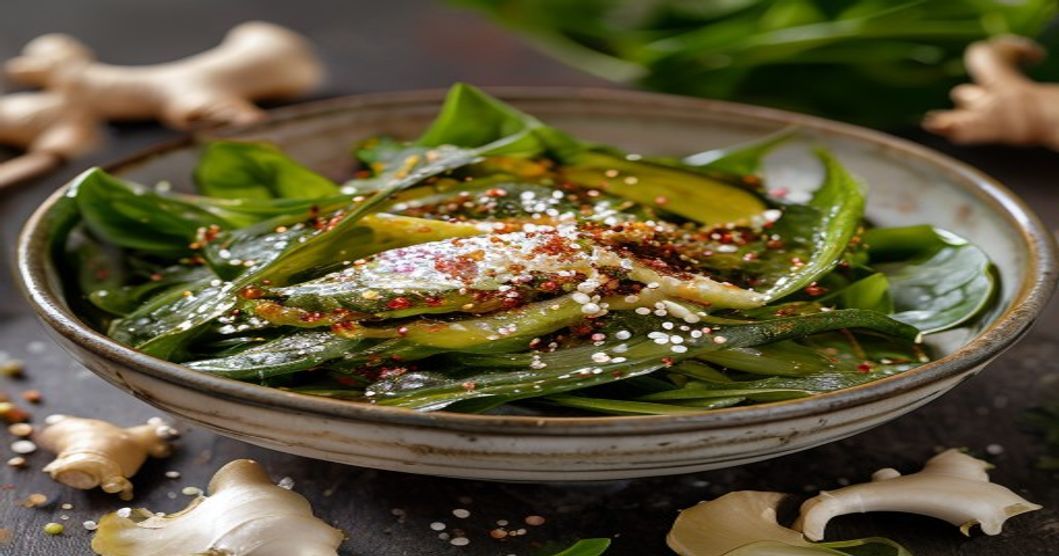
Once your kimchi is ready, eat it as a banchan (side dish) alongside rice and soup. The sharpness and spice of mustard green kimchi cuts through fatty grilled meats, rich stews, and simple scrambled eggs beautifully. Chop it fine and mix it into mayo for a spicy sandwich spread. Simmer it briefly into a simple broth with tofu for a quick lunch. Or just eat a forkful straight from the jar as a flavor boost—fermented foods are excellent for digestion, and the funk becomes addictive.
If you’re cooking with garlic regularly, you might wonder about substitutes or why fresh garlic matters so much. We’ve written a detailed breakdown on garlic powder substitutes for Korean cooking if you ever need to troubleshoot ingredient swaps.
Buying Quality Ingredients
Mustard greens, ginger, and garlic are sold at any grocery store, but quality matters. Look for bright, unwilted greens with no slimy spots. Fresh ginger should feel heavy and firm, not shriveled. Gochugaru is the one ingredient worth ordering online if your local store doesn’t stock it—store-bought varieties from unreliable sources can be dusty or stale. Korean or Asian grocery stores typically have fresher stock and better prices. Fish sauce (or soy sauce as an alternative) rounds out the umami; both are pantry staples worth keeping on hand.
You can source most of these items from Amazon or local Asian markets. As an Amazon Associate I earn from qualifying purchases. Clean glass jars (quart-size or larger) are also readily available online if you need to stock up.
Who This Recipe Is For (and Who It’s Not)
- Home cooks who want to ferment on the counter without special equipment
- People who love bold, spicy, ginger-forward flavors
- Budget-conscious cooks—homemade kimchi is much cheaper than store-bought
- Adventurous eaters curious about traditional fermented foods
- People who don’t like strong fermented smells (it’s pungent, and that’s normal)
- Those needing instant gratification (5 days is the minimum)
- Anyone on a strict low-sodium diet (salt is essential to fermentation)
- People with serious fish sauce aversions (it adds umami but has a distinctive smell)
Making mustard green kimchi is one of the easiest and most rewarding ferments to master. It’s faster than napa cabbage, cheaper than store-bought, and tastes sharper and more interesting than most commercial versions. Start with fresh greens, don’t overthink the salt, and be patient for five days. By day 5, you’ll have a tangy, spicy side dish that lasts months in the fridge and pairs with almost any meal. The real secret? Good ginger and fresh gochugaru make all the difference—so don’t skimp there.