How to Make Tteokbokki Sauce from Scratch: A Korean Home Cook’s Guide
Disclosure: This post may contain affiliate links. We may earn a commission on qualifying purchases at no extra cost to you.
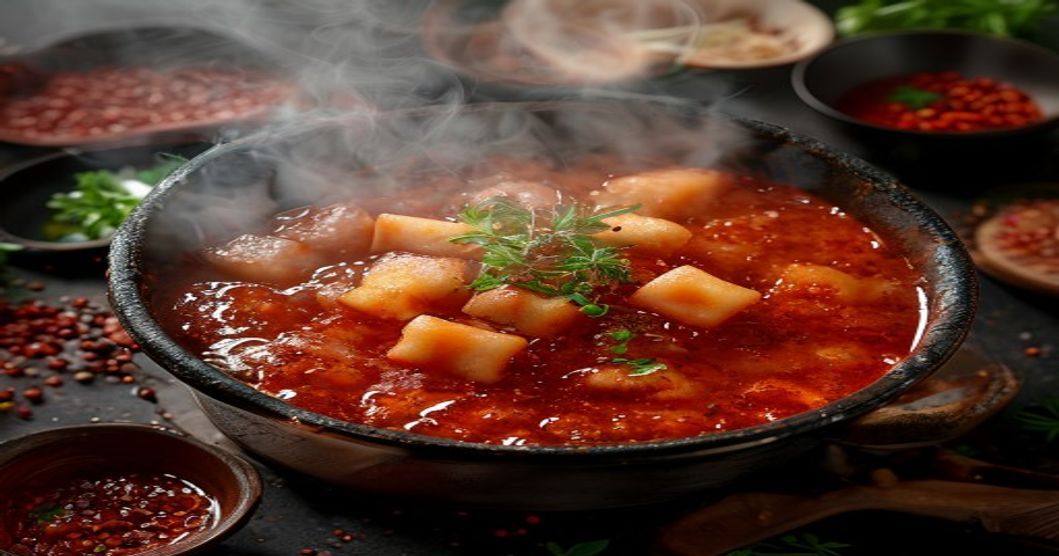
The first time I made tteokbokki (spicy Korean rice cakes) at home, I bought a jar of pre-made sauce and immediately knew something was off. Store-bought versions are convenient, sure, but they’re oversweetened and lack the layered heat and fermented funk that makes the real thing addictive. Making your own takes maybe 10–15 minutes and costs less than a single restaurant order. Once you taste homemade tteokbokki sauce—glossy red, that perfect spice-sweet balance, fish and chili playing off each other—you won’t touch a jar again.
Why Make Tteokbokki Sauce at Home?
Commercial sauces are engineered to sit on shelves and taste identical every single time. That requires extra sugar, MSG, preservatives, and a flavor profile that’s basically one-dimensional. Homemade sauce lets you control the heat (no surprise sweat), pick your umami anchor (anchovy, fish, or vegetable broth), and build actual complexity.
It’s also cheaper. A batch uses a handful of Korean staples you’ll use over and over—gochugaru, gochujang, soy sauce, garlic. These are pantry necessities if you cook Korean food with any regularity.
The Core Ingredients: What You Actually Need
Don’t overthink this. Five things do all the heavy lifting:
- Gochugaru (Korean red chili flakes): The backbone. These are coarser than standard red pepper flakes and have a fruity, less bitter heat. Non-negotiable for authentic flavor. Buy brands labeled “hot” or “medium” depending on your tolerance.
- Gochujang (fermented red chili paste): Your umami secret weapon. It adds fermented depth, sweetness, and savory punch. A spoonful goes far.
- Fish or anchovy broth: The liquid base that carries everything. Anchovy broth is traditional; fish broth works too. Or simmer dried anchovy and kombu (kelp) in water for a few minutes—that’s all you need.
- Garlic: Minced fresh. Not powder. The heat mellows the sharp edge while the sauce cooks.
- Sugar or honey: A small amount to balance the heat and fermented notes. This isn’t about sweetness—it’s about rounding out the edges.
Optional but common: a dash of soy sauce (for saltiness and umami), a pinch of sesame oil at the very end, fish cake, or other proteins.
Step-by-Step Tteokbokki Sauce Recipe
Yields: Enough sauce for 2–3 servings of tteokbokki (about 1 cup)
Ingredients:
- 3 tablespoons gochugaru
- 2 tablespoons gochujang
- 3/4 cup fish or anchovy broth (or water with a pinch of salt if you don’t have broth)
- 3 cloves garlic, minced
- 1 tablespoon honey or about 1–2 teaspoons sugar
- 1 tablespoon soy sauce
- 1 teaspoon rice vinegar (optional, adds a subtle tang)
- 1/2 teaspoon sesame oil (add at the very end)
- Salt to taste
Method:
- Toast the gochugaru (optional but really worth it): Heat a small skillet over medium-low. Add the gochugaru and toast for about 1 minute, stirring constantly—you’re after that toasty, fruity smell. This deepens the chili flavor and removes any raw edge. Skip it if you’re slammed for time.
- Combine gochugaru and gochujang: Pour the gochugaru into a mixing bowl. Add gochujang. Stir well to break up lumps. This is your flavor foundation.
- Add garlic: Mince the garlic finely and stir it in. It’ll soften as the sauce heats.
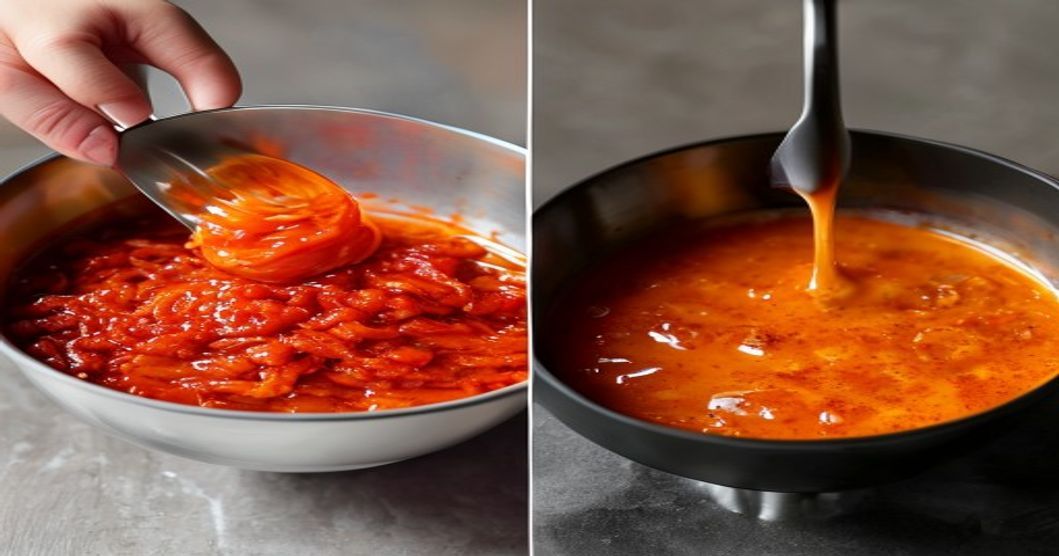
- Whisk in broth: Pour in the fish or anchovy broth slowly while whisking. You want something smooth and pourable—not lumpy, not watery. Whisk for about 30 seconds until everything’s blended.
- Simmer: Transfer to a small pot and bring to a gentle simmer over medium heat. Don’t let it boil hard; a slow, steady bubble is what you want. This usually takes a few minutes. Stir occasionally.
- Add sweetness and acid: Once simmering, add honey (or sugar) and soy sauce. Stir. Add rice vinegar if using. Taste. The sauce should taste spicy, a bit fermented, slightly sweet, and savory—no single flavor taking over.
- Adjust seasoning: Salt to taste. Fish broth and soy sauce already carry salt, so go easy. Too spicy? Add a pinch more honey. Too mild? A splash more gochugaru-infused broth or a dash of sesame oil helps.
- Finish: Turn off heat. Drizzle sesame oil and stir once. Let it cool for a minute before using.
Pro tip: The sauce thickens slightly as it cools. Use it warm for even coating on rice cakes. Storing it? Expect it to firm up in the fridge—just reheat and thin with water as needed.
Ingredient Deep Dives: Where to Buy and Swaps
Gochugaru (Korean Red Chili Flakes)
This is the one flavor you can’t skip. Hunt for it at Korean markets, Amazon, or increasingly in supermarket international aisles. Quality varies—cheap versions taste dusty; better ones smell fruity and slightly sweet. Sunwoo, Dashida, and Korean market store brands are solid. Skip generic “red pepper flakes” (Italian stuff), which are coarser and taste completely different.
No gochugaru? Fresno or Thai red chili flakes work in a slightly smaller amount, but the result won’t be the same. Homemade chili powder from dried chilies is another option, though less convenient.
Gochujang (Korean Fermented Chili Paste)
Any Korean brand works (Haechandle, Sunwoo, CJ, store-brand). Comes in a tub, lasts months in the fridge, and you’ll end up using it in soups, dips, and marinades. A little goes a long way in tteokbokki sauce.
No gochujang? You can make a one-off sauce without it, but you’ll lose that fermented depth. Add a pinch of miso paste or extra soy sauce to approximate umami, then lean on gochugaru for heat.
Fish or Anchovy Broth
Dried anchovy broth is traditional and simple: simmer a handful of dried anchovies and a piece of kombu (kelp) in water for a few minutes, then strain. Any fish broth works too. Vegetable or chicken broth is acceptable if that’s what you have—the flavor will just be lighter.
Quick broth hack: Boil water, add a splash of fish sauce (nam pla), and a small piece of kelp. Let it steep for a couple of minutes. Not perfect, but it adds saltiness and umami fast.
Building Balanced Flavor: The Taste-As-You-Go Method
Every palate is different, and tteokbokki sauce is forgiving. Here’s how to dial in your version:
| Flavor Issue | Adjustment |
|---|---|
| Too hot / spicy | Add more broth (dilutes heat), a pinch of honey, or a dab of sour cream stirred in. |
| Not hot enough | Stir in more gochugaru or a dash of sesame oil mixed with gochugaru. Heat builds, so taste again in a moment. |
| Too sweet | Add a splash of vinegar or lemon juice to cut sweetness, or more salt to balance. |
| Flat / dull | Add a dash of soy sauce for saltiness, or sesame oil for richness. Sometimes a pinch more garlic snaps it back. |
| Too salty | Thin with more broth and a touch of honey to balance. |
What to Cook in Tteokbokki Sauce
Once your sauce is ready, these are the classic additions:
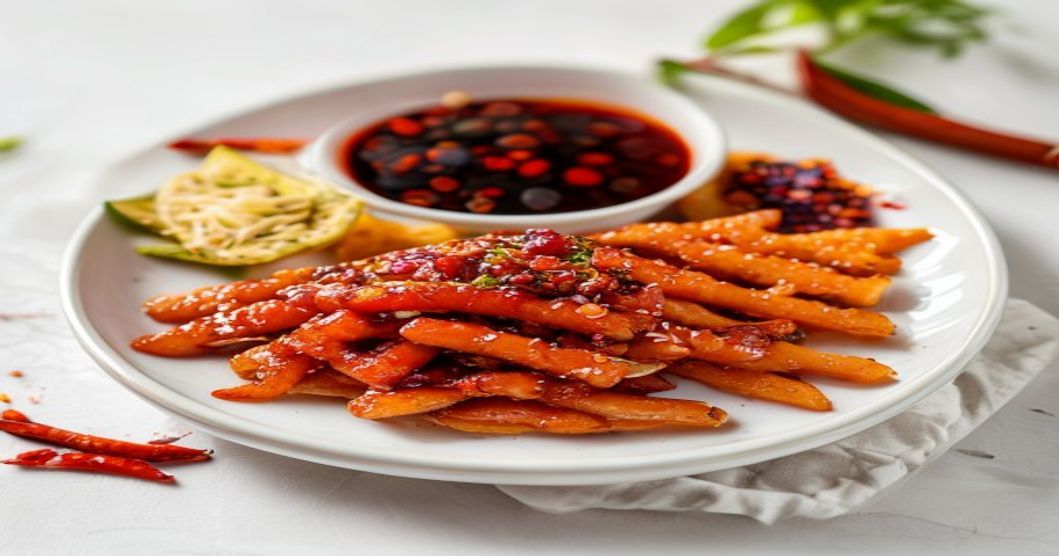
- Rice cakes (tteok): Store-bought frozen or fresh rice cakes are the main event. Cylindrical or flat—either works. Thaw frozen ones before cooking, or add a few extra minutes to simmer time.
- Fish cake (eomuk): Sliced into rectangles, these add mild savory flavor and chewy texture. Not essential, but traditional.
- Vegetables: Sliced zucchini, mushrooms (shiitake is great), carrots, or green onions. Add them near the end so they don’t turn to mush.
- Eggs: A boiled egg halved and nestled into the sauce adds richness and protein.
- Proteins: Shrimp, tofu, ground beef, or leftover cooked chicken all work.
Cooking Tteokbokki: A Quick Assembly
- Boil a pot of water. Add rice cakes and simmer until they float and are tender (roughly 3–5 minutes for fresh, 5–8 for frozen).
- In a separate pot, pour your tteokbokki sauce over medium heat. Add fish cake, slower-cooking vegetables (carrots, mushrooms), and any other proteins.
- Once rice cakes are ready, drain and add them to the sauce. Stir gently to coat.
- Simmer for another 2–3 minutes so flavors meld. Add quick vegetables (green onions, leafy greens) in the last 30 seconds.
- Taste. Adjust salt or heat. Garnish with sesame seeds and green onion.
The whole thing takes roughly 15 minutes from start to plate.
Storage and Make-Ahead Tips
The sauce keeps in an airtight container in the fridge for several days. It actually tastes better the next day—flavors deepen and meld. You can freeze it for extended storage; thaw in the fridge overnight and reheat gently on the stove, adding water if it’s too thick.
A lot of Korean home cooks make a batch mid-week and use it for quick meals: tteokbokki one night, then stirred into soups or used as a dipping sauce for dumplings later. Once this sauce is in your rotation, you’ll find excuses to use it constantly.
Common Variations and Regional Styles
Tteokbokki sauce isn’t one-size-fits-all. Different regions and home cooks adjust it:
- Creamy tteokbokki (Korean-American fusion): Stir in a splash of heavy cream or evaporated milk at the end. Not traditional, but it tones down heat and adds richness. Popular with kids and people who avoid serious spice.
- Extra umami tteokbokki: Add a tablespoon of fish sauce or a pinch of dried shiitake powder for deeper savory notes.
- Mild tteokbokki: Reduce gochugaru to 2 tablespoons, skip gochujang, and add more honey. Use chicken broth instead of fish broth for a cleaner, lighter flavor.
- Sweetened street-food style: Some vendors in Korea make tteokbokki sweeter (extra honey or other sweeteners) to appeal to more people. If that’s your preference, add honey in small increments until you hit your balance.
Sourcing Korean Ingredients: Online and Local
No Korean market nearby? Order gochugaru, gochujang, and fish cake online through Amazon or other retailers. These items ship well and are cheap. Local Korean markets, if you have one, usually have fresher stock and better prices. You’ll also find dried anchovy and kombu there—inexpensive and shelf-stable forever.
New to Korean cooking? Start with a single batch of sauce before you stock up your pantry. Once you taste how good it is, you’ll want these ingredients around anyway.
Why Homemade Beats Store-Bought Every Time
Commercial sauce is engineered for shelf stability and consistency. That means added sugars, thickeners, and preservatives. Homemade sauce is fresher, hotter where it matters, and customizable. You also figure out what good tteokbokki actually tastes like—that clean chili heat balanced with fermented depth and a touch of sweetness. Once you know that flavor, packaged sauce tastes thin and flat.
Plus: it’s cheaper, quick to make (10–15 minutes), and you control every ingredient. Want no MSG, less salt, or extra garlic? You make that call.
Troubleshooting: What Went Wrong and How to Fix It
- Rich, glossy red finish with visible chili flakes
- Balanced spice and sweet; neither dominates
- Coats rice cakes evenly without pooling
- Tastes better the next day
- Freezes and reheats without separating
- Boiling sauce hard—it can break or separate. Gentle simmer only.
- Skipping gochujang to save money; it’s essential for depth.
- Using water instead of broth; sauce tastes flat.
- Oversweetening; you want balance, not candy.
- Not tasting and adjusting; every palate is different.
Pairing and Serving Ideas
Tteokbokki is usually eaten as a snack or light meal on its own, but you can serve it as part of a larger spread. Pair it with cool, refreshing sides:
- A simple side salad with sesame-ginger dressing
- Kimchi (fermented vegetables)—the sour cuts the richness
- Steamed rice to cool the heat
- Cold noodles (naengmyun) alongside for a full meal
- Fried dumplings (mandu) as a separate course
The Korean tradition is street food—standing up, chopsticks in hand, buying from a vendor’s cart. But there’s nothing wrong with sitting down with a bowl and a spoon, dipping rice cakes in the sauce one at a time.
Homemade tteokbokki sauce is straightforward, forgiving, and miles better than anything from a jar. Master the base recipe (gochugaru, gochujang, broth, garlic, sweetness), taste constantly, and adjust to your heat and flavor preference. You’ll have restaurant-quality sauce in 10–15 minutes, and you’ll wonder why you ever bought pre-made. Stock your pantry with gochugaru and gochujang—you’ll use them constantly. Once this recipe is yours, tteokbokki becomes a weeknight dinner staple, not a special occasion treat.
Who This Recipe Is For (and Who It’s Not)
Perfect for you if:
- You love spicy food and want to control the heat level
- You cook Korean meals regularly and want to skip packaged sauces
- You have access to Korean condiments (gochugaru, gochujang) or are willing to order online
- You enjoy fermented, umami-forward flavors
- You want to feed tteokbokki to friends and family (homemade tastes way better)
- You’re budget-conscious—this sauce is generally affordable and makes multiple meals
Not ideal if:
- You don’t like spicy food (even milder tteokbokki has a chili base)
- You need an ultra-quick meal (10-minute prep may not be fast enough for some, though it is relatively quick)
- You can’t access Korean ingredients and don’t want to order online
- You prefer the exact flavor of a specific commercial brand (your version will differ, and that’s okay)
- You have a severe garlic aversion (garlic is essential here)
Related Reading
Diving deeper into Korean cooking? Check out these guides:
- Best Doenjang Brands for Korean Soup: A Flavor-First Buying Guide — Learn how to pick quality fermented soybean paste for broths and soups.
- Best Korean Instant Ramen: Top Picks, Taste Comparison & Cooking Tips — A deep dive into ramyun styles and how to upgrade instant noodles.
- How to Make Kimchi at Home: A Korean Home Cook’s Complete Guide — Master fermented vegetables for side dishes and cooking.
Disclosure: This article contains Amazon affiliate links. If you purchase through these links, I earn a small commission at no extra cost to you. As an Amazon Associate I earn from qualifying purchases. All product recommendations reflect genuine usefulness for the recipe and topic, not affiliate commission potential.