Best Doenjang Brands for Korean Soup: A Flavor-First Buying Guide
Disclosure: This post may contain affiliate links. We may earn a commission on qualifying purchases at no extra cost to you.
You’ve got thirty minutes until dinner, tofu and zucchini already on the board, dried anchovies steeping in cold water for broth — then you crack open the fridge and that doenjang (Korean fermented soybean paste) you grabbed three weeks ago at the Asian grocery smells weirdly thin. Not spoiled. Just flat. One-note. That split-second panic? That’s exactly why the brand you pick actually matters.
Top Pick
If you’re making doenjang jjigae from scratch, this is it. Long fermentation builds layers of savory depth that mass-produced paste simply can’t touch. Spend the extra money for soup.
Best Value
Works great when you’re cooking in volume, doing marinades, or using doenjang as a supporting flavor — solid and dependable without breaking your grocery budget.
Premium
For maximum depth — aged outdoors in onggi (Korean earthenware) crocks. Chunkier texture, intense aroma, and one tablespoon turns a simple soup into something genuinely special.
What Makes a Doenjang Great for Korean Soup?
Time and purity. That’s it. Doenjang starts with cooked soybeans fermented into meju (dried fermented soybean blocks), then aged in brine. The longer and more naturally that happens, the more complex the paste becomes. Commercial producers rush the process — sometimes aggressively — which keeps costs down but also flattens the flavor.
These are the things that actually matter when you’re shopping:
- Ingredient list: Real doenjang has soybeans, water, and salt. Maybe some koji mold. A long ingredient list — wheat flour, corn syrup, artificial flavors — means you’re looking at seasoning-packet territory.
- Color and feel: Quality doenjang is deep brown and uneven with visible soybean bits. If it’s uniform, light-colored, and smooth, it got aggressively processed.
- The smell test: Should smell funky and earthy — kind of like aged cheese mixed with miso, but deeper. If it’s mostly salty with a faint soy sauce note, it’s a lighter commercial product.
- The “jaerae-sik” label: This means traditional method. Brands advertising it are telling you they fermented outdoors and aged longer. Not a guarantee, but a useful filter.
One thing nobody mentions: saltiness varies wildly by brand — way more than most recipes account for. The same soup can taste completely different depending on which tub you grab. When testing a new brand, hold back on salt until you’ve tasted the finished soup with the paste dissolved.
Best Doenjang Brand Types — Head-to-Head Comparison
| Type | Flavor Profile | Texture | Best For | Availability |
|---|---|---|---|---|
| Traditional / Jaerae-sik | Deep, funky, complex umami | Chunky, uneven | Jjigae, ssam-jang | Korean grocery, Amazon |
| Commercial Blended (mid-tier) | Mild, slightly salty, consistent | Smoother, uniform | Marinades, everyday cooking | Most Asian supermarkets |
| Artisan / Crock-Aged Import | Intensely funky, earthy, rich | Very chunky, dark | Special occasion soups | Specialty Korean stores, online |
| Low-Sodium / Modified | Lighter, less sharp | Smooth | Salt-restricted diets | H Mart, some Amazon listings |
| Organic / Clean-Label | Variable — check the aging | Varies by brand | Health-conscious cooks | Natural food stores, Amazon |
How to Actually Use Doenjang in Soup (And Where Most People Go Wrong)
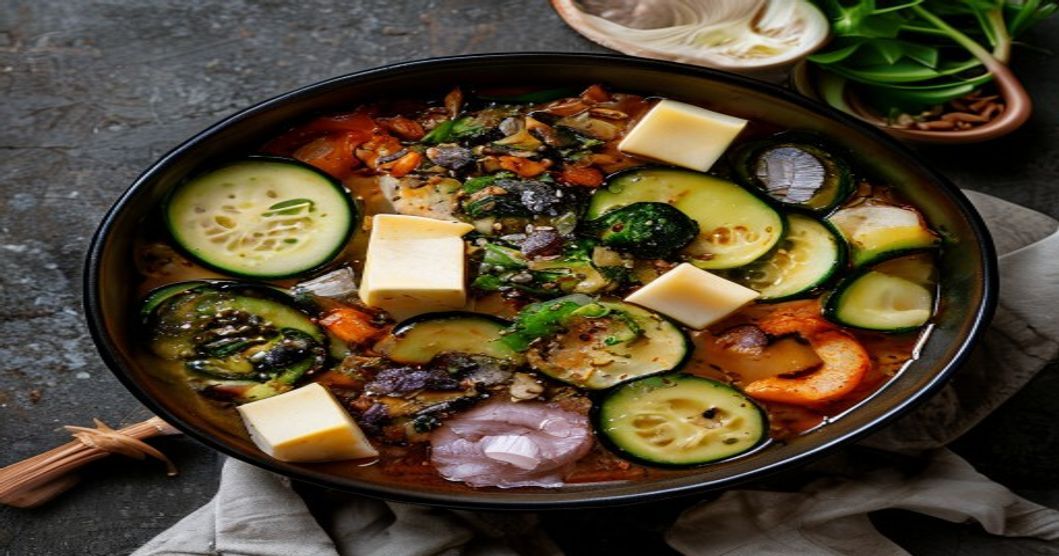
The classic move is doenjang jjigae — a stew built on anchovy-and-kelp broth, loaded with tofu, zucchini, mushrooms, and garlic. Sounds simple. Easy to mess up though.
Biggest mistake: dumping in too much paste at once and then oversalting the whole thing. Dissolve your doenjang into the simmering broth one tablespoon at a time, tasting between additions. Most recipes call for 2 to 4 tablespoons for a 4-serving pot — but that assumes consistent saltiness, which it doesn’t always have.
Second mistake: boiling it to death. A hard boil strips out the delicate fermented notes and leaves you with something flat and overly salty. Bring the broth to a boil, add vegetables and tofu, dissolve in the doenjang, then drop it to a strong simmer until everything’s cooked through. Finish with minced garlic and sliced green onion off the heat.
Want to dig deeper into Korean pantry essentials? The guide on making kimchi at home covers fermentation fundamentals that explain why ingredient quality matters across all of Korean cooking.
Pros and Cons of Going Premium vs. Budget Doenjang
- Dramatically deeper flavor — less paste needed per pot
- More complex umami that builds through simmering
- Shorter, cleaner ingredient list
- Works beautifully as a raw dipping paste too (ssam-jang base)
- Often gluten-free (pure soy and salt only)
- Noticeably more expensive per tub
- Harder to find — requires Korean grocery or online order
- Very pungent smell can be off-putting in small kitchens
- Saltiness varies batch to batch (hand-crafted = less consistency)
- Shorter shelf life once opened if not refrigerated properly
Who This Is For — and Who Should Skip the Premium Tier
This guide is most useful if you:
- Make doenjang jjigae or doenjang guk (soybean paste soup) a couple of times a month
- Feel like your Korean soups taste almost right but not quite as deep as restaurant versions
- Already cook with gochujang (Korean fermented chili paste) and ganjang (Korean soy sauce) and want to complete your fermented paste collection
- Live near a Korean grocery store or are fine ordering shelf-stable pastes online
Skip the premium option if:
- You use doenjang occasionally as an accent flavor — mid-range commercial is perfectly fine for that
- You’re new to Korean cooking and still figuring out what the baseline should taste like (start standard, upgrade once you know the difference)
- The strong fermented smell bothers you — traditional doenjang is significantly more pungent and that smell sticks around in the fridge
- You’re watching your grocery budget closely; the cost difference is real and not worth it for casual use
Buying Doenjang: What to Look for in-Store and Online
At Korean grocers like H Mart, you’ll face an entire wall of options. Here’s how to cut through it:
- Check the tub size: You’ll find multiple sizes available. Unless you’re cooking Korean food weekly, go small — even sealed paste loses its edge over months.
- Read the ingredient list first: If anything beyond soybeans and salt jumps out at you, put it back. The shorter and simpler the list, the closer to real fermentation.
- Look for “meju” in the description: Meju is the dried soybean block used in traditional fermentation. Seeing it mentioned is a good sign.
- Online: Amazon stocks several Korean brands. Search for “jaerae-sik doenjang” or “traditional Korean soybean paste” instead of just “doenjang” — the results are cleaner and skew toward better stuff.
Building out a full Korean pantry for real cooking? The Korean BBQ at home setup guide covers which fermented pastes work double duty across marinades and dipping sauces. And if you want to fall down a different rabbit hole entirely, the best Korean instant ramen roundup deserves its own separate shopping trip.
A Quick Word on Storage
Refrigerate immediately after opening. Always use a clean, dry spoon — moisture is the enemy. Press plastic wrap directly onto the paste surface before sealing the lid to minimize air exposure. Traditional-style doenjang especially deserves this care given what it costs.
If your doenjang jjigae has always tasted slightly off compared to what you get at a good Korean restaurant, the paste quality is probably the variable you haven’t changed yet. Find a traditionally-fermented, jaerae-sik style doenjang — clean ingredients, chunky texture, unmistakably pungent smell — and your soup improves immediately. Buy a small tub first to dial in the saltiness, then move to a larger size once you know how that brand tastes. It’s genuinely one of the biggest ingredient upgrades available for Korean home cooking.
Disclosure: This post contains affiliate links to Amazon. As an Amazon Associate I earn from qualifying purchases. All product recommendations are based on research and editorial judgment — affiliate relationships do not influence which types of products are featured or how they are evaluated.