Best Korean Instant Ramen: A Hungry Cook’s Guide to Picking the Right Bowl
Disclosure: This post may contain affiliate links. We may earn a commission on qualifying purchases at no extra cost to you.
There’s a moment every busy weeknight when you open your pantry, see a block of Korean instant ramen, and feel a small rush of gratitude. Five minutes to something warm, salty, and genuinely craveable — that’s the promise. But here’s the thing: standing in a Korean market (or scrolling through an online grocery order) and staring at twenty different brands in varying shades of red and orange can feel paralyzing. Which one is actually good? Is the spice level going to wreck your mouth, or will it taste like nothing at all? How do you know if you’re picking a niche regional brand that tastes incredible or one that’s just packaging and hype?
I’ve been down this road. I’ve bought ramyeon (the Korean word for instant noodles) based purely on a cool package design, and I’ve learned the hard way that “extra spicy” means something different depending on who’s packaging it. Over time, I figured out a framework for actually finding instant ramen that works — not just edible, but genuinely good — and how to make it taste like you spent more than three minutes on it.
Korean instant ramen varies wildly by brand and flavor profile — there’s no single “best.” Your pick depends on spice tolerance, broth preference, and whether you want pure convenience or are willing to spend two extra minutes upgrading it with fresh ingredients. The real win is keeping three or four different types on hand and choosing by mood, not by picking one all-purpose pack.
Why Korean Instant Ramen Tastes Different (And Why That Matters)
If you’ve only eaten Japanese instant ramen or the brick-style noodles from a Western supermarket, Korean ramyeon hits different. The broth packets lean hard into gochugaru (red chili flakes) or gochujang (fermented chili paste) seasoning, which means spice is the dominant flavor note. The noodles themselves are also slightly different — a little chewier, sometimes with a hint of a wave or crimp that gives them more surface area for the seasoning to cling to.
But beyond the mechanics, there’s a philosophy shift. Japanese ramen is built on umami depth and careful layering. Korean ramyeon is about immediate, unapologetic flavor. It’s comfort food that doesn’t ask permission. That said, not every Korean brand makes spicy ramen — there are mild seafood broths, mild scallop varieties, even creamy ones — but the baseline expectation is that you’re signing up for heat and boldness.
The seasoning packet is also usually more aggressive. A Japanese instant ramen packet often has you using about three-quarters of it if you like subtle flavor; with Korean ramyeon, the packet is usually calibrated to use most or all of it. This is worth knowing because it affects sodium content and overall intensity.
The Flavor Profiles You’ll Actually Encounter
Not all Korean instant ramen is the fiery red brick you might be imagining. Here’s what you’ll find if you start exploring:
Gochugaru-based (classic spicy): This is the stereotype, and it exists for a reason. The seasoning is pure red chili powder, usually mixed with garlic and a bit of sweetness. It’s straightforward heat with a clean chili flavor. Many of the most famous Korean brands fall into this category, and they range from “warm tingle” to “immediately regret your life choices” depending on the specific blend. These are the most common packages you’ll see in stores.
Seafood broths (mild to medium): These use dried fish powder, dried squid, or scallop essence to build the base flavor. They’re often lighter and less spicy than pure chili varieties, though some versions add a gentle heat. The broth has a more savory, umami-forward profile. If you like a more complex, less aggressive flavor, these are worth seeking out. They pair well with additions like fresh ginger or a splash of fish sauce.
Creamy or cheese varieties: These are newer and less common in traditional Korean markets, but they’re becoming easier to find internationally. They use powdered cream or cheese flavoring (sometimes both) and are usually mild. Good for someone who wants ramyeon but isn’t ready for the heat, or for mixing with other ingredients to dial down spice.
Kimchi-flavored: This uses fermented chili and kimchi essence — so you get a tangy, spicy, slightly funky depth that’s more complex than straight gochugaru. It’s a gateway to more sophisticated instant ramen eating. Many people find these more interesting than the basic spicy ones.
How to Actually Pick One (And Not Just Guess)
If you’re in a physical store, here’s the move: flip the package over and look at the ingredient list, not the front label. Scan for what’s listed first after salt and wheat flour — that’s your flavor anchor. If you see “gochugaru” or “red chili” in the top three ingredients, it’s a heat-forward pack. If you see “seafood extract” or “scallop powder,” it’s broth-forward. This takes thirty seconds and tells you more than any marketing language.
Check the sodium content too, if it’s listed. Korean instant ramen typically runs 1,200–1,800 mg of sodium per pack, which is high. Some brands are slightly lower; knowing the range helps you pick strategically if sodium is a concern.
If you’re buying online, read the reviews but read them carefully. A four-star rating doesn’t mean much; look for comments specifically mentioning spice level and flavor complexity. Someone saying “great if you like heat” is more useful than “I loved this.” Also, check the seller’s shipping time and storage conditions — ramyeon doesn’t spoil, but it also shouldn’t sit in a hot warehouse for two weeks.
Making Instant Ramen Actually Good (A Practical Roadmap)
Here’s the secret that Korean home cooks have always known: the seasoning packet is not the full story. It’s the starting point. The actual bowl happens in the two minutes after the noodles are done.
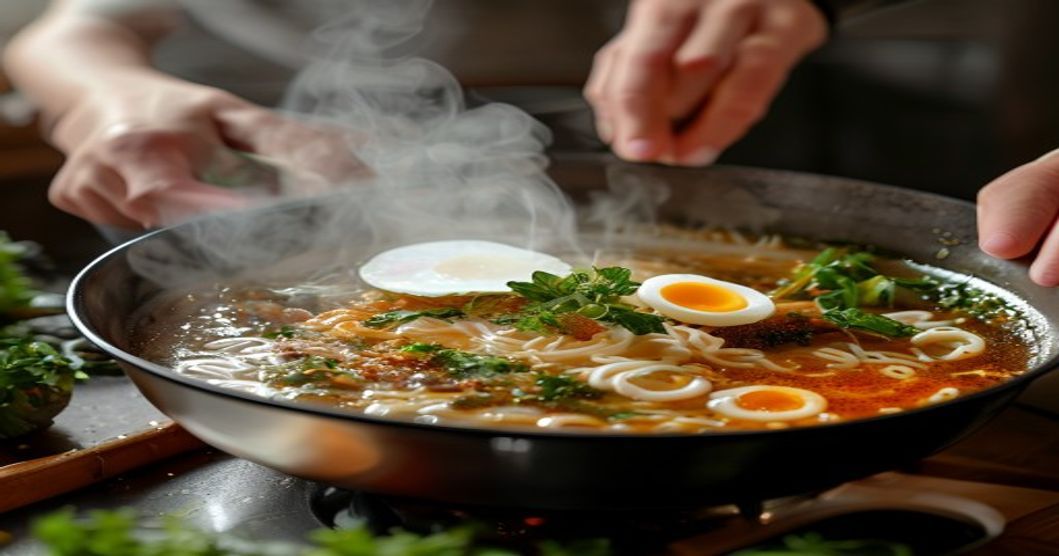
Start with the broth. Use about three-quarters of the seasoning packet (not all of it) and dissolve it in the boiling water before adding the noodles. This helps it distribute evenly instead of clumping at the bottom. While the noodles cook, mince a small knob of fresh ginger and crush a clove of garlic into the pot in the last minute of cooking. The heat will bloom their aroma and add instant complexity.
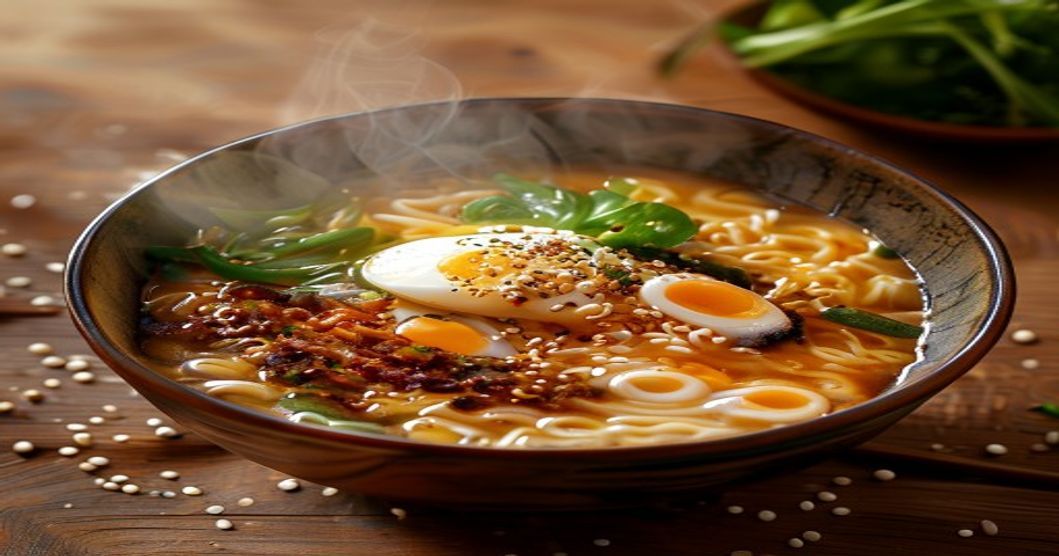
Drain and add the noodles to a bowl. Top with a soft-boiled egg (runny yolk is non-negotiable), fresh scallions cut on the bias, sesame seeds, and maybe some thinly sliced kimchi (fermented vegetables) if you have it. If the broth seems watery, add a splash of soy sauce or a tiny spoonful of fish sauce — this deepens it fast. A knob of butter or a drizzle of sesame oil at the very end adds richness that makes it taste homemade.
The whole operation is still under six minutes. You’re not cooking a whole meal; you’re elevating a convenience food with things that are already in your kitchen. And the difference in taste is not subtle — it’s the difference between “I’m eating noodles because I’m busy” and “I’m eating noodles because I want to.”
Some people also simmer the noodles in broth made from scratch (just water, ginger, garlic, and a splash of fish sauce) and then add the seasoning packet at the end. This gives you more control over salt and spice levels. It’s a middle ground between pure convenience and actual cooking, and it takes about the same amount of time.
Spice Tolerance: The Real Conversation
I need to be honest here: Korean instant ramen assumes you have some heat tolerance. Even the brands marketed as mild are usually spicier than a standard Asian instant noodle from other countries. If you’re new to gochugaru or have a low spice threshold, start with a seafood or creamy variety, use half the seasoning packet, and add a splash of milk or coconut milk to the broth to cool it down. This isn’t cheating; it’s learning your own preferences.
If you do like heat and you’re tempted by the ultra-spicy varieties (there are definitely some), understand that these are built for people who eat Korean food regularly and have developed a tolerance. They’re fun, but they’re not approachable. You might buy one as a challenge, but it shouldn’t be your first Korean ramyeon.
The sweet spot for most people new to Korean instant ramen is a medium-heat gochugaru variety or a seafood-based option. These are flavorful and spicy without being punishing. Eat a few bowls, see how your palate adjusts, and then branch out if you want to go hotter.
Building a Pantry Strategy (Or Why One Type Isn’t Enough)
Here’s what I’ve learned: keeping multiple types on hand is smarter than finding one “perfect” pack. Different moods and different situations call for different ramen. Maybe Monday night you want pure heat and simplicity. Wednesday you’re tired and want something with a seafood broth that feels more nourishing. Friday you’re making a ramyeon for someone who doesn’t like spice, so you grab a creamy variety.
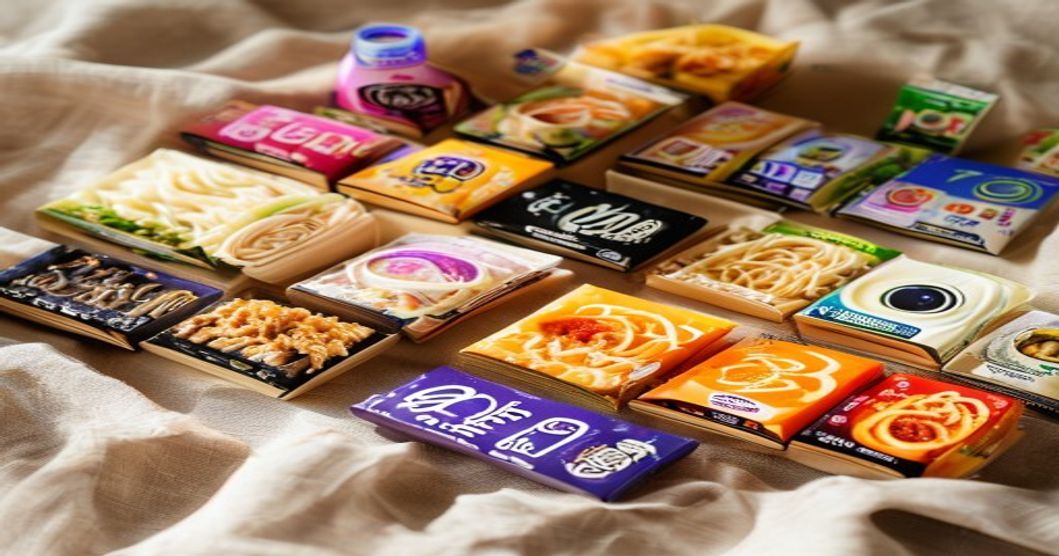
If you eat Korean instant ramen even semi-regularly, having three or four boxes at different spice levels is the move. Buy a mixed pack or order a few different varieties online. You’ll use them, and you’ll actually enjoy eating them because you picked the right one for your moment.
Also, buy from sources where you can actually see what you’re getting. A Korean grocery store (physical or online) will have better selection and more detailed product information than a mainstream supermarket. If you’re ordering from Amazon or another general retailer, look for vendors who specialize in Asian groceries — their stock rotates faster, and reviews tend to be more detailed.
- Ready in under 5 minutes, zero cooking skill required
- Huge flavor variety — from mild seafood to dangerously spicy
- Inexpensive per bowl (usually under $2)
- Shelf-stable for months; easy pantry backup
- Easily upgraded with fresh ingredients and toppings
- Authentic Korean flavor without going to a restaurant
- Very high sodium content (50–70% daily value per pack)
- Easy to eat plain, which tastes one-dimensional
- Spice levels vary between brands and batches
- Noodles are refined carbs, not particularly nutritious on their own
- Requires toppings and additions to taste really good
- Some people find the aggressive seasoning one-note after eating it repeatedly
Who Korean Instant Ramen Is Actually For (And Who It Isn’t)
It’s great for: Busy people who want real flavor in five minutes. Students living on a tight budget. People who already love spicy food or Korean cuisine. Anyone who wants a pantry staple that actually tastes good. Late-night eaters who need comfort fast. People building an Asian grocery collection and want to experiment.
It’s not great for: Anyone with low spice tolerance (unless you find a mild variety and use half the seasoning). People watching sodium closely or managing blood pressure. Those looking for a balanced, nutritious meal on its own. People who find repetitive flavors boring — if you eat it five days a week, the novelty wears off. Anyone without access to toppings or the time to upgrade it.
Smart Buying Moves (And What to Avoid)
Don’t buy from a mainstream American supermarket if you can avoid it. The selection is limited, the packages might be outdated, and you’ll pay a markup. A dedicated Asian grocery (online or in-person) has better pricing and fresher stock. If you’re ordering online, buy in packs of at least four or five — the per-unit cost is better, and you get to try multiple flavors without paying shipping five times.
Watch out for “fusion” varieties or Western versions of Korean ramyeon. They’re usually less interesting than the original Korean brands. Also, if you see a brand with a massive price difference from others, check the shipping and storage — it might be coming from a warehouse with slower turnover.
Consider starting with a sampler or mixed pack if you’re new to Korean instant ramen. This lets you try multiple brands and heat levels without committing to a full box of something you might not like.
A Few Things About Quality and Sourcing
Korean instant ramen isn’t a particularly regulated category in most Western countries, so “quality” is more about brand reputation and how well the noodles hold their texture. Established Korean brands have been making ramyeon for decades; newer brands might cut corners. This doesn’t mean new brands are bad, but they’re riskier. Stick with brands that have loyal followings or reviews from people who eat Korean food regularly, not just random online shoppers.
The noodles themselves should be firm and slightly springy when cooked, not mushy or grainy. If you buy a pack and the noodles turn to mush after three minutes of cooking, that’s a sign the package has been sitting around too long or stored poorly. This is rare, but it’s why checking reviews mentioning texture is useful.
Also, some brands make multiple heat levels of the same flavor (mild, medium, hot). If you find a brand you like, check if they offer it in different spice levels. You might be able to stick with the same flavor profile and just dial heat up or down.
Korean instant ramen is genuinely good convenience food if you pick the right type and spend two extra minutes on toppings and broth depth. The spice and flavor are uncompromising, which is exactly the point. Keep two or three types on hand, use half the seasoning packet if you’re new to heat, and always add a soft-boiled egg and fresh scallions. You’re not just eating noodles — you’re eating one of the world’s great pantry staples, done right.
Browse Korean Instant Ramen →
Related Reading
If you’re interested in Korean fermented sides to pair with your ramyeon, check out these guides on making easy kimchi at home:
- How to Make Turnip and Scallion Kimchi: A Crunchy 7-Day Fermented Side Dish
- How to Make Spinach and Sesame Oil Kimchi: A Mild Fermented Side Dish Without Gochugaru
- How to Make Kimchi with Leek and Carrot: A Mild, Easy Fermented Side Dish
Disclosure: This post contains affiliate links. If you click through and make a purchase, I may earn a commission at no extra cost to you. As an Amazon Associate I earn from qualifying purchases. I only recommend products and resources I genuinely think are useful.