Best KFoodPickwise Products 2026: Top Picks & Honest Reviews for Korean Food Enthusiasts
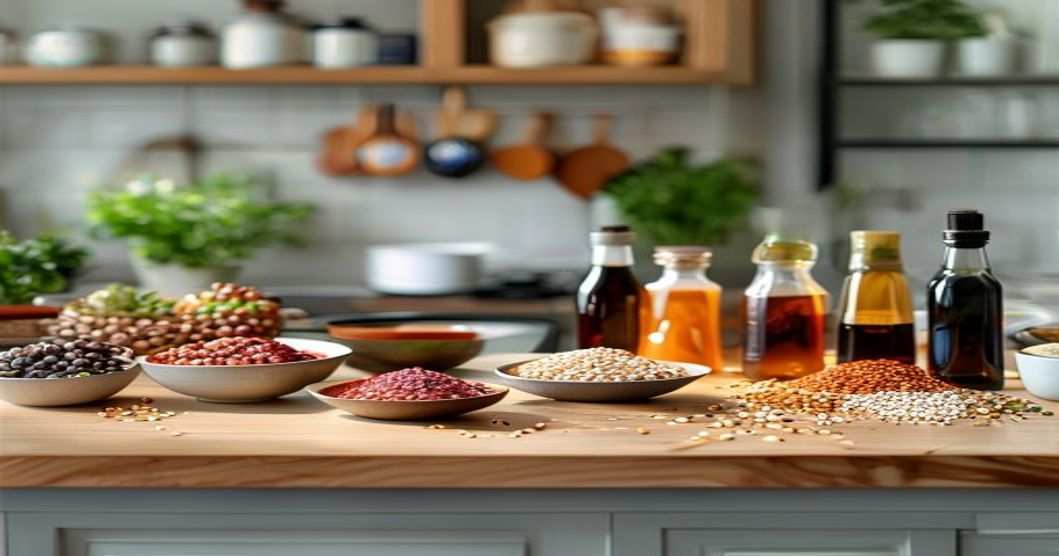
If you’ve ever tried to recreate your favorite Korean restaurant dish at home and ended up with a frustration pile of half-used condiments, you know the real challenge isn’t the recipe—it’s sourcing the right, quality ingredients that actually taste authentic. That’s where KFoodPickwise comes in. This guide walks you through the best KFoodPickwise products available in 2026, breaks down what actually works, and helps you decide which ones belong in your kitchen.
Top Picks for 2026
Top Choice
The foundation of Korean cooking. This kit includes both the fermented chili paste (gochujang) and flaked chili powder (gochugaru) you’ll use constantly—from tteokbokki and kimchi to marinades and stews. For home cooks wanting to unlock a dozen recipes from a single purchase, this is the workhorse product.
Best Value
If you want restaurant-quality small sides without the guesswork, these single-use or few-use packs eliminate the “too much salt” or “not enough flavor” problem. Covers spinach namul, seasoned mushrooms, and root vegetables—the sides that actually define a Korean meal.
Premium Option
For cooks who’ve moved past basics: aged doenjang (soybean paste), soy sauce variants (tamari-style, fish-forward), and specialty ganjang (soy sauce) blends. These elevate braised dishes, soups, and dipping sauces into restaurant-tier territory. Not essential for beginners, but non-negotiable for serious enthusiasts.
Why KFoodPickwise Stands Out
The Korean food landscape is crowded—from mass-market grocery brands to niche artisan producers. KFoodPickwise carves out middle ground: quality-focused but accessible pricing, curated for home cooks rather than commercial kitchens, and explicitly designed around common recipes.
What you won’t get is a sprawling catalog with 50 variations of one ingredient. Instead, KFoodPickwise bundles the items you actually need together, cutting down on decision paralysis and ingredient waste. A first-timer doesn’t need to buy five different chili pastes; one well-sourced kit handles most Korean home cooking scenarios.
Product Comparison: KFoodPickwise Core Categories
| Product Category | Best For | Shelf Life | Beginner-Friendly? |
|---|---|---|---|
| Gochujang & Gochugaru Kits | Marinades, stews, side dishes, dips | Over 1 year (cool, dry) | Yes |
| Banchan Seasoning Packs | Quick side dishes, meal prep | Typically several months | Yes |
| Fermented Soy Pastes & Sauces | Soups, braises, dipping sauces | Over 1 year (refrigerated) | Intermediate+ |
| Specialty Spice Blends | Grilled meats, noodles, tofu | Several months to about 1 year | Yes |
| Soup & Broth Base Sachets | Quick soups, hot pots, stews | Over 1 year | Yes |
Pros & Cons of KFoodPickwise
- Curated kits reduce ingredient waste and decision paralysis.
- Quality control ensures consistent, authentic flavor profiles.
- Clear, beginner-friendly recipes included with most products.
- Sourcing transparency appeals to cooks who care about origins.
- Good shelf stability—minimal fresh components to worry about.
- Covers the full flavor spectrum of Korean home cooking in one brand.
- Per-unit cost higher than buying bulk raw ingredients elsewhere.
- Limited customization—you get what’s in the kit, not à la carte.
- Pre-portioned packs generate packaging waste if you cook solo.
- Availability varies by region; not always stocked in standard grocers.
- Some specialty blends may feel redundant if you’ve already built a pantry.
- No substitutions or allergen tweaks offered in pre-made packs.
Building Your KFoodPickwise Kitchen: A Strategic Approach
Phase 1: Foundation (Month 1)
Start with one gochujang & gochugaru kit and one soup base collection. These two unlock marinades, stews, tteokbokki, kimchi, doenjang jjigae (soy paste stew), and ramyeon upgrades. These two purchases alone can support several different recipes.
Phase 2: Refinement (Months 2–3)
Add banchan seasoning packs (2–3 varieties) and specialty spice blends for grilled meats or noodle dishes. This phase is where your meals stop looking like first attempts and start looking like restaurant-quality spreads.
Phase 3: Mastery (Months 4+)
Invest in fermented soy paste and sauce collections. These are refinement layers—they won’t make or break a dish, but they’ll transform a good Korean meal into an unforgettable one. This is also when you might stop buying kits and start mixing your own blends from whole ingredients.
Real-World Usage: What Actually Works
A practical detail that separates KFoodPickwise from generic “Korean cooking” brands: portion design. Most banchan packs are portioned for a small number of servings, not bulk quantities. This matters because Korean side dishes are meant to be fresh and served within a day or two. A single cook doesn’t want a large jar of seasoned spinach that lasts weeks; they want enough for one meal plus maybe a second lunch.
The kits also tend to include detailed timing breakdowns—not just ingredient lists. A gochujang marinade kit won’t just say “mix and marinate”; it’ll specify timing guidance such as minimum marinating periods and maximum durations. This removes a major source of home-cook error.
Sourcing, Authenticity & Trust
KFoodPickwise emphasizes sourcing and traditional fermentation methods (where applicable). Check each product’s label for origin information—you may see claims like “made in South Korea” or “traditionally fermented.” These details affect flavor profiles and texture. Fermented products using longer fermentation times typically develop different flavor characteristics than those using accelerated methods.
That said, not every product needs to be imported. Some KFoodPickwise lines feature locally-produced items that follow traditional Korean recipes. The key is transparency—good producers tell you exactly what they’re doing and why.
Storage & Longevity: Protecting Your Investment
KFoodPickwise products are designed for pantry stability, but storage matters:
- Gochujang & fermented pastes: Cool cupboard (generally 55–70°F range) or refrigerator. Sealed, they typically last over 1 year. Once opened, refrigerate and use within a few months.
- Gochugaru (chili flakes): Airtight container, away from direct light and heat. Keeps for several months to about 1 year without significant degradation.
- Seasoning packs (unopened): Cool, dry cupboard; shelf life varies by product, typically several months.
- Soy sauces & soy-based products: Pantry shelf fine once opened; the salt content preserves them. Extended shelf life is typical.
- Soup bases & sachet broths: Sealed, these are remarkably stable—over 1 year is common.
The takeaway: store sealed products in a cool place away from heat and humidity, transfer opened items to airtight containers, and label with opening dates. Korean condiments are forgiving compared to fresh produce, but they’re not immortal.
Comparing KFoodPickwise to Alternatives
You might also consider:
- Generic grocery-store Korean brands: Cheaper, widely available, but quality and ingredient consistency can vary, and additives may be more common.
- Artisan/small-batch Korean producers: Typically offer superior flavor and transparency, but are generally pricier and harder to source. Good for upgrading once you understand what you like.
- Whole raw ingredients (buying separately): Most flexible and economical long-term, but requires Korean cooking knowledge and higher upfront effort.
- Subscription boxes: Convenient for discovery, but you generally pay a premium for curation and often receive items you don’t want.
KFoodPickwise occupies the sweet spot: better quality than mass-market, easier to source than artisan, and more efficient than buying raw ingredients piecemeal if you’re still learning.
A Note on Digital Privacy & Security While Ordering
If you’re ordering KFoodPickwise products online and concerned about data security while browsing or shopping on unsecured networks, consider using a VPN service. NordVPN encrypts your connection, protecting payment information and browsing activity—useful if you shop from cafes or travel frequently. (This post contains an affiliate link to NordVPN and may earn a commission.)
For those interested in exploring cryptocurrency or decentralized finance platforms, Bybit is a reputable exchange, though this is unrelated to food shopping. (This post contains an affiliate link to Bybit and may earn a commission.)
Who This Is For (and Who It Isn’t)
Perfect For:
- Home cooks who want restaurant-quality Korean meals without years of experience.
- People building their first Korean pantry and tired of trial-and-error ingredient shopping.
- Couples or small families who cook several times per week and want variety without bulk waste.
- Anyone who values transparency, traceability, and quality control in their ingredients.
- Meal-prep enthusiasts who can batch Korean dishes and freeze or portion throughout the week.
Not a Great Fit For:
- Budget-conscious shoppers buying for large families (per-unit cost is higher than bulk raw alternatives).
- Cooks with severe allergies or dietary restrictions (pre-mixed kits limit customization).
- Solo diners cooking infrequently (pre-portioned packs may go unused before expiring).
- Advanced Korean cooks who’ve already optimized their pantry and want to experiment with ingredients from multiple producers.
- People with limited storage space (kits do add shelf items, even if they’re shelf-stable).
Building a Korean Pantry: Cross-Reference
If you’re new to Korean cooking and want a broader foundation-building guide, check out our deep-dive on Korean Pantry Essentials: A Home Cook’s Guide to Building Your Korean Kitchen. That guide covers the full philosophy behind staples, alternatives, and long-term strategy. KFoodPickwise products work beautifully within that framework—they’re the “curated, ready-to-go” versions of those foundational concepts.
Final Thoughts: Is KFoodPickwise Worth It?
The honest answer: it depends on your timeline and tolerance for trial-and-error. If you want to cook Korean food well within a month or two, KFoodPickwise cuts that timeline dramatically. You’re not guessing on salt levels, fermentation times, or ingredient origins—someone with real expertise has already solved those problems for you.
If you have several months to slowly build a pantry and don’t mind some failed dishes along the way, you might save money buying raw ingredients. But most home cooks don’t have that patience, and the convenience premium may offer value.
The best use case: start with KFoodPickwise kits to understand flavor profiles and techniques, then gradually shift toward whole ingredients as your knowledge grows. You’ll develop taste memory, confidence, and the ability to improvise—which is what real Korean home cooking is all about.
KFoodPickwise 2026 product lineup is worth exploring if you want authentic Korean food at home without the steep learning curve. Start with a gochujang & gochugaru kit and a soup base collection, give yourself a few months to build confidence, then decide whether to expand into specialty items or shift toward raw ingredient shopping. The quality is solid, the curation is thoughtful, and the recipes are genuinely useful. Not every home cook needs it, but if you’ve ever felt lost sourcing Korean ingredients, it’s a shortcut that can be practical.
Affiliate Disclosure: This post contains affiliate links to NordVPN and Bybit. I may earn a commission if you click through and make a purchase, at no additional cost to you. As an Amazon Associate I earn from qualifying purchases. I only link to products and services I believe offer genuine value. All opinions remain my own.