Best Gochujang Brands for Authentic Korean Cooking at Home
Disclosure: This post may contain affiliate links. We may earn a commission on qualifying purchases at no extra cost to you.
Most home cooks buying gochujang for the first time make the same mistake: they grab the first red jar they see on a Korean aisle and assume all pastes are equal. Then they end up with something cloying, too salty, or weirdly sweetened with high-fructose corn syrup—and they never try it again. That’s a shame, because real gochujang (Korean fermented red chili paste) is nothing like that. A good one should taste spicy, umami-rich, and complex, with a fermented depth that takes a bowl of kimchi jjigae (spicy kimchi stew) from decent to extraordinary.
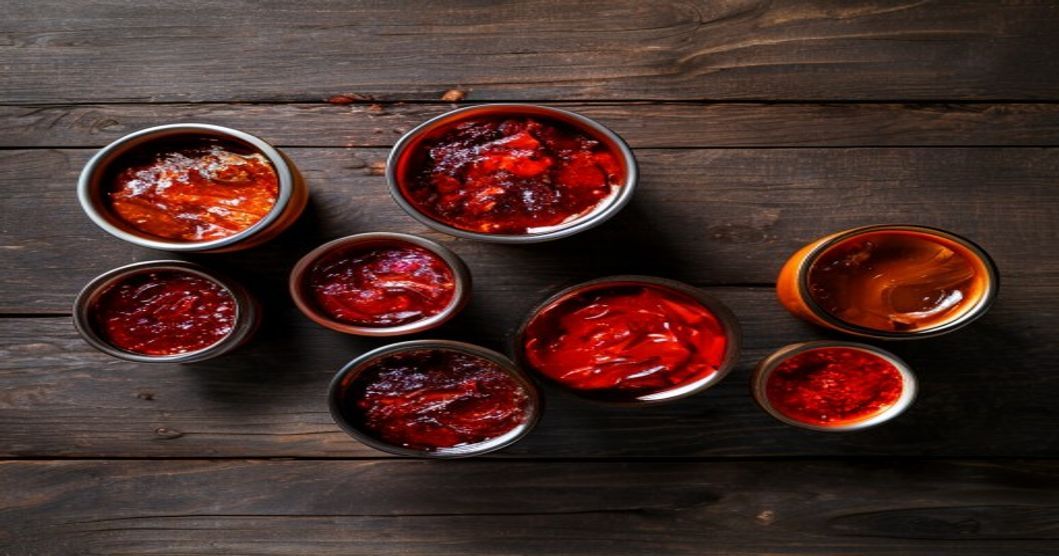
Look for gochujang with fermented soybean, sea salt, and minimal added sugar—aged versions deliver the best umami. Start with a traditional Korean brand if you want authentic flavor; budget-friendly options work fine for cooking if you read the ingredient list carefully.
Top Picks for Best Gochujang Brands
Best Choice
For cooks who want that deep, complex fermented flavor in every dish—look for versions aged 1+ years with visible soybean pieces and sea salt as the second ingredient. This is your go-to for tteokbokki (spicy rice cakes), bibimbap (mixed rice bowl), and marinades.
Best Value
Mid-range brands with a smoother, more uniform paste—ideal if you blend gochujang into sauces or prefer a less chunky texture. Heat level stays consistent batch to batch, and the price point is gentler on your wallet while still delivering solid umami.
Premium Option
If you monitor salt intake or prefer certified organic, these versions exist—though they cost more. The fermented depth may be slightly milder since some lower sodium means less natural preservative, but they’re still solid for everyday Korean cooking.
How to Read a Gochujang Label and Spot Quality
The ingredient list is where the truth lives. A high-quality gochujang should have:
- Red chili powder (gochu-garu) as the first ingredient—no surprise there.
- Fermented soybean (usually listed as “meju” or “soy”) as the second or third ingredient. This is what gives real gochujang its savory depth. If you don’t see it, you’re looking at a simplified version.
- Sea salt or salt—natural preservative and flavor anchor.
- Malt powder or rice flour (helps with fermentation)—totally normal and good.
- Sugar or sweetener—here’s the trap. A tiny bit (1–2%) is acceptable from the fermentation process. Anything more than that, or high-fructose corn syrup listed early, and you’ve got a dumbed-down sweet paste that masks the real chili flavor.
Skip anything with artificial colors, excessive preservatives, or garlic listed as a main ingredient (unless you specifically want a garlic-forward blend—some brands do that intentionally). The paste should be thick enough to hold its shape on a spoon, never runny or separated.
| Category | What to Look For | What to Avoid |
|---|---|---|
| Main Ingredient | Red chili powder (fermented or fresh) | Modified starches listed first, artificial fillers |
| Umami Boost | Fermented soybean, soy sauce, glutamate | None listed; paste tastes flat and one-note |
| Sweetness | Sugar <2%, or naturally from fermentation | High-fructose corn syrup, honey, glucose as main sweetener |
| Thickener | Malt powder, rice flour, natural starch | Modified food starch listed first, xanthan gum (minor use is OK) |
| Heat Level | Labeled as mild, medium, or hot (consistent batch-to-batch) | Vague labeling; extreme fluctuation between jars |
Three Cooking Mistakes That Waste Good Gochujang
Mistake 1: Dumping it in raw. A common habit is to spoon gochujang straight into a cold soup or sauce. It clumps. Instead, mix it with a little warm broth or water first to dissolve it, then stir into the dish. Thirty seconds of prep work saves you from a grainy, gritty texture.
Mistake 2: Using the same jar spoon repeatedly without rinsing. Even a tiny bit of moisture or old paste residue can introduce mold over months. Use a clean, dry spoon every time. This habit doubles the shelf life and keeps your paste tasting clean.
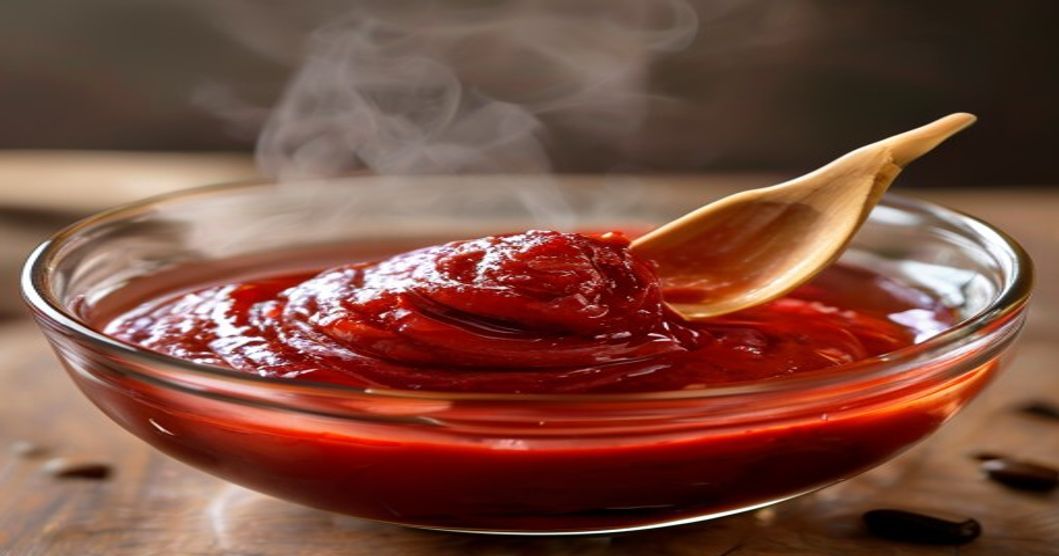
Mistake 3: Treating all gochujang as “just spicy.” Newcomers often think gochujang is a simple chili heat condiment, like hot sauce. It’s not. The fermented depth, salty umami, and slight sweetness are the point. A small amount (half a teaspoon to a teaspoon per serving) goes a long way in soups, stews, and marinades. Use it like salt and umami, not like tabasco. You’ll taste the difference immediately.
Gochujang in Real Dishes: Where It Shines
The beauty of good gochujang is its versatility. Beyond the obvious (kimchi jjigae, bibimbap, tteokbokki), try mixing a spoonful into:
- Marinades for grilled meats: Gochujang + sesame oil + garlic + a pinch of sugar coats ribs or chicken beautifully.
- Mayo or sour cream dips: A teaspoon stirred into 1/2 cup mayo, plus lime juice and a touch of honey, becomes a gochujang aioli for fries or sandwiches.
- Braises and slow cooker dishes: It adds a subtle backbone to beef stews without overpowering. Start conservatively; you can always add more.
- Fried rice: A spoonful mixed through hot rice with soy sauce and sesame oil transforms leftovers instantly.
Once you’re comfortable with the flavor, you’ll start treating gochujang like a pantry staple rather than an exotic specialty. It’s that good.
- One jar lasts months; minimal waste.
- Fermented umami adds depth to dozens of dishes.
- Heat is controllable and mellows when cooked.
- Natural preservatives; no sketchy additives needed.
- Works in both traditional and fusion cooking.
- Low-quality versions taste cloying or fake.
- Not all heat is equal; batch variation exists.
- Initial learning curve on how much to use.
- Unopened jars take up pantry space.
- Price ranges wildly depending on brand.
Who Gochujang Is For (And Who It Isn’t)
It’s Perfect For:
- Cooks serious about Korean food who want to build a proper pantry.
- People who love fermented foods and umami-rich flavors.
- Anyone who wants depth of flavor without artificial shortcuts.
- Home fermenters curious about exploring beyond basic soy and salt.
- Families cooking multiple Korean dishes regularly—one jar covers them all.
It’s Probably Not For:
- People who rarely cook or want a one-off curiosity.
- Those with a very low spice tolerance (unless you use a teaspoon or less and blend it deeply).
- Cooks on a strict budget buying artisanal, small-batch versions—save those for special occasions.
- Anyone allergic to soy or fermented foods (many traditional versions contain soy).
- People who expect gochujang to taste like sriracha or generic “hot sauce”—it’s a different flavor entirely.
Where to Buy and What to Expect Price-Wise
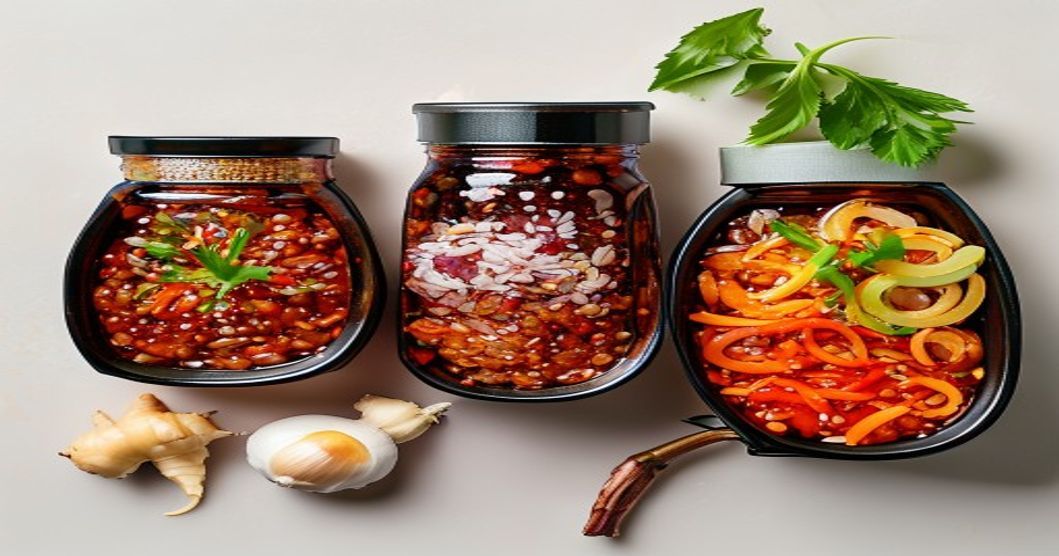
Most Korean gochujang is available online through major grocery retailers, Asian specialty stores, and Korean markets. Prices vary wildly—from budget options around $5–7 per jar to premium aged versions at $15–25. Here’s the reality: you don’t need the most expensive brand to cook well, but the cheapest options often come with heavy additives and a one-dimensional chili taste.
A mid-range, traditional Korean brand ($8–12 per 17.6 oz jar) strikes a good balance. It will have real fermented soybean, minimal added sugar, and consistent flavor batch to batch. Buying in bulk (3–4 jars if you cook Korean food weekly) spreads the cost and ensures you always have backup. Unopened jars stored in a cool pantry easily keep for a year or more.
If you’re curious about the difference, buy two versions—one budget-friendly and one mid-range from a well-known Korean maker—and taste them side by side in the same soup. The umami, fermented complexity, and even the heat profile are noticeably different. That clarity is worth the small experiment.
Building Your Gochujang Habit (Beyond Just Using It in Kimchi Stew)
Once you have a good jar, you’ll find yourself reaching for it constantly. To build sustainable use:
- Start with one teaspoon per serving and adjust upward. You can always add more; you can’t remove it.
- Keep a small bowl of mixed gochujang at the table for dipping alongside steamed rice and banchan (Korean side dishes). Many Korean households do this as a matter of habit.
- Make a gochujang butter for corn or grilled vegetables—it’s a gateway to appreciating the flavor beyond stews.
- Bookmark recipes that use it and rotate through them weekly. Variety prevents boredom and solidifies your ability to taste and adjust.
For recipe ideas, check out how to make kimchi with green onion and garlic for beginners without fish sauce, how to make cucumber kimchi with perilla leaves for a crispy summer side dish, and how to make kimchi with radish and apple for a homemade sweet and mild fermented recipe. Each builds your fermented-foods intuition and will deepen how you use gochujang.
Real gochujang—aged, fermented, with visible soybean and minimal sugar—is the single best condiment to stock if you’re serious about Korean cooking. A mid-range, well-sourced jar transforms weeknight soups, marinades, and rice bowls with minimal effort. Start by mixing it into warm broth before adding to dishes, use a clean spoon every time, and taste it in two or three different recipes before deciding if it’s your thing. Once it clicks, you’ll understand why Korean home cooks buy it in bulk.
Disclosure: This article contains affiliate links. As an Amazon Associate I earn from qualifying purchases. We may earn a commission if you buy through our links, at no extra cost to you. This helps support our work in researching and recommending authentic Korean cooking ingredients and tools.