Garlic Powder Substitute for Korean Cooking: What Really Works (and What Doesn’t)
Disclosure: This post may contain affiliate links. We may earn a commission on qualifying purchases at no extra cost to you.
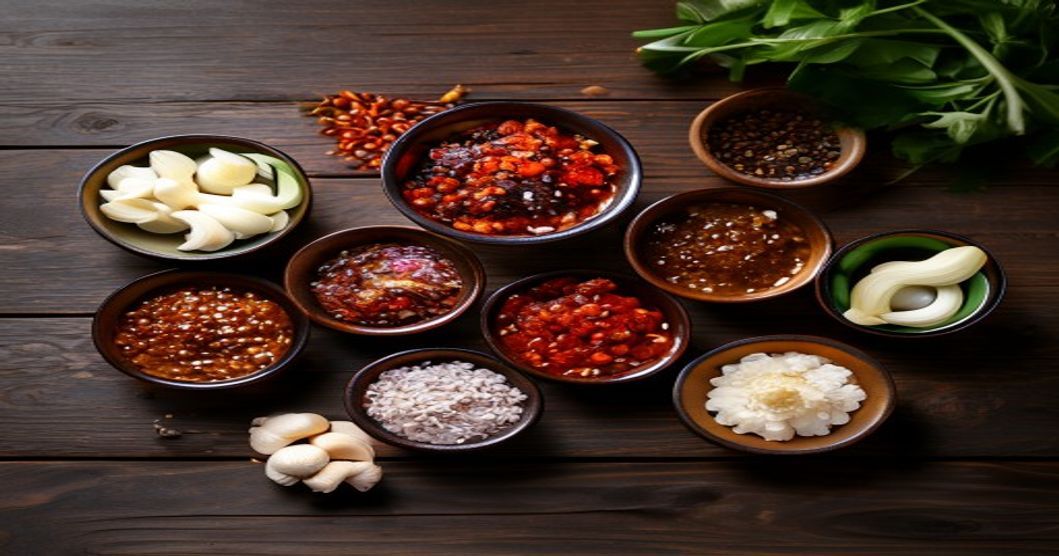
Here’s the mistake almost everyone makes: they assume garlic powder is just a dried, shelf-stable version of fresh garlic, so swapping one for the other should be seamless. Not quite. In Korean cooking, especially in fermented dishes like kimchi or gochujang (Korean fermented chili paste), garlic is doing way more than seasoning—it’s a living ingredient that contributes enzymes, texture, and a specific sharp bite that powder simply can’t replicate. Once you understand what garlic actually does in each recipe, choosing the right form (or finding a real substitute when you’re stuck) becomes much clearer.
Fresh or freshly minced garlic is always the first choice for Korean cooking. Garlic powder works in quick-cooking sauces and marinades, but for kimchi, banchan (Korean side dishes), and fermented recipes, fresh garlic’s flavor and enzymatic properties matter. Know when to sub and when to run to the store.
Why Garlic Powder Isn’t the Same as Fresh Garlic in Korean Cooking
Garlic powder is made by dehydrating fresh garlic and grinding it into a fine powder. Sounds simple, but dehydration strips away moisture, concentrating the sulfur compounds that give garlic its bite—then those volatile compounds oxidize and fade over time. The result is a product that tastes sharp and one-dimensional, missing the subtle sweetness and complexity of fresh garlic.
In Korean fermented recipes—kimchi, doenjang jjigae (soybean paste stew), or homemade gochujang—garlic needs to be alive. Its enzymes help break down cell walls during fermentation, improving texture and developing layered flavor. Fresh garlic also contributes a specific umami and sulfur note that pairs with gochugaru (Korean red chili flakes), soy sauce, and sesame oil in ways powder can’t match. When you bite into a piece of kimchi, you want to taste garlic as a distinct ingredient, not a ghost of one.
That said, garlic powder has its place. It dissolves into sauces, dressings, and quick marinades where you’re not relying on garlic’s texture or fermentation properties. It’s also shelf-stable, convenient, and consistent. The key is knowing which recipe actually needs fresh garlic and which can tolerate (or even benefit from) the powder.
When You Can Use Garlic Powder (And Which Recipes Demand Fresh)
Let’s be practical. Not every Korean dish requires fresh garlic, and sometimes life happens—you don’t have a clove in the house, or you’re making a quick lunch. Here’s where each form shines:
Use Fresh or Minced Garlic For:
- Kimchi and fermented sides. The garlic isn’t just flavoring; it’s part of the fermentation ecosystem. Fresh cloves, sliced or minced, develop the right texture and contribute to the final taste.
- Gochujang and doenjang (fermented pastes). Again, fermentation. You want the living enzymes and the fresh garlic’s sulfur compounds to meld with the soybeans over weeks or months.
- Raw or lightly-cooked banchan like oigeomchi namul (seasoned raw vegetables) or scallion salad. You taste garlic as a distinct, crisp ingredient. Powder would taste flat and chalky.
- Garlic-forward dishes like garlicky soy dipping sauce (garlic soy) for grilled meats. You want that fresh bite and slightly sweet undertone, not a one-note sharpness.
- Long, slow braises and stews. Fresh garlic softens and becomes mellow over hours, adding depth. Powder can become bitter or disappear entirely.
Garlic Powder Works Fine For:
- Quick pan-fried dishes and stir-fries. High heat, short cooking time—garlic powder dissolves evenly without the need for mincing.
- Salad dressings and cold sauces. It blends smoothly and doesn’t need to rehydrate.
- Seasoning mixes for Korean fried chicken breading or marinades. The powder distributes evenly and coats uniformly.
- When you’re making a quick ramen or broth and don’t have time to peel and chop. It’s convenient and won’t hurt the flavor significantly.
If a recipe calls for garlic powder and you have fresh garlic, swap it. Use about 1 teaspoon of minced fresh garlic for every 1/8 teaspoon of powder. You’ll almost always get a better result, even if it’s just a quick stir-fry.
Best Garlic Powder Substitutes When You’re in a Bind
You’ve hit the moment: the recipe calls for garlic powder, your container is empty, and the nearest Korean market is 20 minutes away. Here are your real options, ranked by how close they get you to the intended flavor.
1. Fresh Garlic (The Obvious Best)
If you have a bulb of garlic in your pantry, this is your answer. Peel a clove (or two or three), mince it finely, and use it. As noted above, 1 teaspoon of minced fresh garlic is roughly equal to 1/8 teaspoon of powder, but fresh is less concentrated and more forgiving. The flavor is brighter and more complex—you won’t regret making the swap.
2. Granulated Garlic
This is garlic powder’s slightly coarser cousin. The grind is looser and it often has less salt added. Flavor-wise, it’s nearly identical to powder, with the same limitations (concentration, oxidation, flatness over time). Use it 1:1 with powder in recipes. If you keep this in your pantry instead of powder, you’re in good shape.
3. Garlic Salt (With a Caveat)
This is a blend of garlic powder and salt. It works in a pinch, but you’ll need to reduce the salt elsewhere in the recipe. If a recipe calls for 1/2 teaspoon garlic powder and no added salt, try 1/2 teaspoon garlic salt and reduce the recipe’s salt by about 1/4 teaspoon. It’s a trade-off, and the flavor isn’t as pure, but it keeps you moving.
4. Onion Powder or Shallot Powder
These aren’t garlic, so the flavor is noticeably different—you’re trading the sharp sulfur bite for savory sweetness and umami. Use about half the amount called for (so if the recipe says 1/2 teaspoon garlic powder, use 1/4 teaspoon onion powder). This works best in sauces, broths, and slow-cooked dishes where the onion’s sweetness blends in. It won’t work for raw or cold applications where garlic’s bite is essential.
5. Asafoetida (Hing) – For Advanced Home Cooks Only
Asafoetida is an Indian spice that smells pungent (almost unpleasantly so raw) but develops a savory, garlic-like quality when cooked. Use a tiny pinch—literally 1/16 of a teaspoon for every 1/2 teaspoon of garlic powder you’d use. Mix it with a neutral oil or water first to distribute it evenly, because this stuff is strong. It works in fermented pastes and slow braises, but only if you’re feeling adventurous. Not recommended for delicate dishes.
Garlic-flavored salt blends heavy in sodium and weird additives. Pre-minced garlic in jars (that acidic brine) can throw off fermented recipes. Garlic extract is overly concentrated and bitter—skip it entirely. Black garlic powder is aged fermented garlic, which is interesting but not a true substitute for regular powder; it has a molasses-like sweetness instead of sharpness.
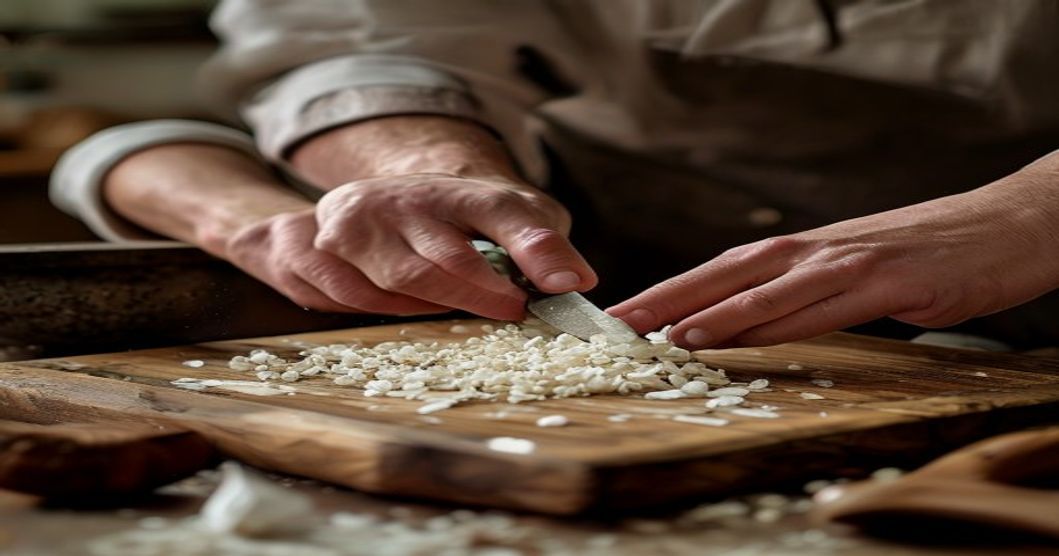
How to Store Fresh Garlic and Make Your Own Garlic Paste
Since fresh garlic is clearly the winner, here’s how to keep it on hand and ready to go.
Storing Fresh Garlic Bulbs
Keep whole, unpeeled garlic bulbs in a cool, dark, well-ventilated spot—a pantry or paper bag on a shelf, not the fridge. Whole bulbs last 4–6 weeks this way. Once you peel or cut a clove, use it within a day; store peeled cloves in the fridge in an airtight container for up to 5 days.
Make Your Own Garlic Paste for Convenience
Many Korean home cooks make batches of garlic paste to avoid daily mincing. Here’s how:
- Peel 4–6 garlic bulbs (about 20–30 cloves) and place them in a food processor.
- Add 1–2 tablespoons of neutral oil (vegetable, canola, or light sesame oil) or a splash of water.
- Pulse until you get a loose, chunky paste. Don’t over-blend into a watery slurry; you want texture.
- Transfer to an airtight glass jar. Refrigerate for up to 2 weeks, or freeze in ice-cube trays and pop cubes into freezer bags for up to 3 months.
- When you need garlic, thaw a cube or scoop a spoonful from the fridge. Use it in cooked dishes, sauces, and marinades.
This paste keeps you from the “I don’t have garlic” trap and tastes fresher than powder. Some cooks add a pinch of salt to help preserve it, but it’s optional.
Conversion Guide: Fresh Garlic, Minced, and Powder
When you’re adapting recipes or scaling up, here’s a rough framework (remember, these are guidelines, not absolutes):
| Fresh Clove | Minced Fresh | Garlic Powder | Granulated Garlic |
|---|---|---|---|
| 1 large clove | 1 teaspoon | 1/8 teaspoon | 1/8 teaspoon |
| 3 cloves | 3 teaspoons (1 tablespoon) | 3/8 teaspoon | 3/8 teaspoon |
| 1 bulb (8–10 cloves) | 8–10 teaspoons | 1–1.25 teaspoons | 1–1.25 teaspoons |
Note: These conversions are approximate. Powder is more concentrated, so use slightly less. Fresh garlic has more subtle flavor, so it’s more forgiving if you add extra.
Garlic Quality and Freshness Matter
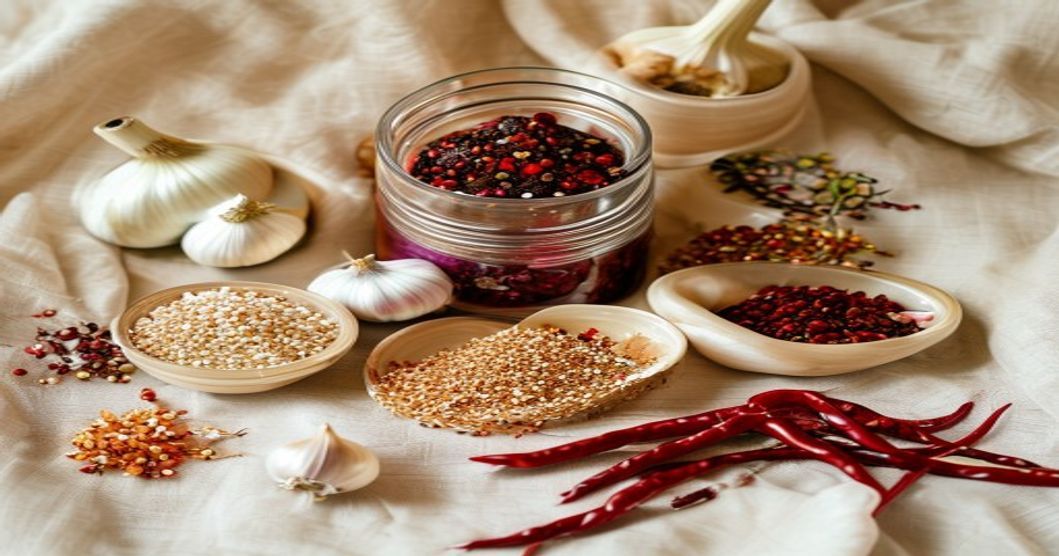
Not all garlic is created equal. Korean cuisine often calls for what’s sometimes labeled “Korean garlic” or “black garlic region” varieties, which tend to be sweeter and less pungent than some commercial American garlic. If you shop at a Korean market, you’ll likely find smaller, more tender cloves than the massive ones at a standard grocery store.
If your garlic powder has been sitting in your cabinet for more than a year, or if it smells stale or muted when you open the container, replace it. Old powder loses its bite and can taste almost musty in fermented dishes—not the vibe you’re going for.
Fresh garlic should be firm, with papery skin and no soft spots or sprouting. If you see green shoots inside the clove, the garlic is still fine to use; just remove the bitter green germ from the center.
For links to highly-rated gochujang and kimchi recipes, check out our guides on best gochujang brands for authentic Korean cooking, how to make kimchi with green onion and garlic for beginners, and how to make cucumber kimchi with perilla leaves—all of which lean on fresh garlic as a star ingredient.
Who This Substitution Works For—and Who It Doesn’t
This Advice Works Best If You:
- Cook Korean food regularly and want consistent, authentic flavor.
- Have access to fresh garlic (most of you do, unless you live somewhere very remote).
- Are willing to spend 2 minutes mincing garlic for better results.
- Want to ferment kimchi or make homemade gochujang and understand that fresh ingredients matter for the process.
- Are open to keeping a batch of garlic paste in your freezer for convenience.
This Substitution Might Not Work If You:
- Have a severe garlic allergy or aversion and need alternatives entirely (onion powder or shallot is your path).
- Are allergic to sulfur compounds (found in all forms of garlic, raw or processed).
- Are cooking in very high volumes and need absolute speed—in that case, garlic powder for distribution uniformity might be your only option.
- Insist on using only shelf-stable ingredients and refuse to refrigerate anything.
- Are making a single stir-fry and really don’t have 90 seconds to peel and chop—though honestly, who’s that busy?
The Real Talk: When to Stop Substituting and Just Use Fresh
Here’s the simplest advice: if garlic is a featured ingredient in the recipe—if the dish is named after it, or if minced garlic appears multiple times in the ingredient list, or if you’re making something fermented—buy fresh garlic. It’s cheap, it lasts weeks, and it makes a noticeable difference. A single bulb costs less than a dollar, and it yields 8–10 cloves. That’s better value than a jar of powder that you’ll barely use before it goes stale.
If garlic is a supporting player in a quick sauce or seasoning mix, or if you’re in a genuine pinch, garlic powder works. But even then, if you have fresh garlic in the house, swap it. You’ll taste the difference.
The goal isn’t perfectionism; it’s understanding when a substitution is a smart move and when it’s a compromise. Now you know which is which.
Fresh minced garlic is your best bet for Korean cooking—especially for fermented recipes like kimchi and gochujang. Garlic powder is convenient for quick sauces and seasoning blends, but it’s a trade-off in texture and complexity. If a recipe highlights garlic or relies on fermentation, buy a bulb and spend two minutes mincing. For other dishes, powder does the job. Keep your garlic powder fresh (replace yearly) and don’t hesitate to swap powder for fresh in almost any recipe—you’ll get a better result. If you want to level up your pantry, keep a batch of homemade garlic paste frozen; it bridges convenience and quality.
Disclosure: This article contains affiliate links to Amazon and other platforms for Korean groceries, cookware, and ingredients. We may earn a commission if you purchase through these links at no extra cost to you. As an Amazon Associate I earn from qualifying purchases. All opinions and recommendations are our own based on research and buyer experience, not influenced by commissions.