Korean Pantry Essentials: 10 Ingredients Every Home Cook Needs
Disclosure: This post may contain affiliate links. We may earn a commission on qualifying purchases at no extra cost to you.
The first time I tried to make Korean food at home without a proper pantry, I ended up improvising with whatever I had in the cabinet. The result was bland, flat, and missing that deep, savory character that makes Korean cooking addictive. That’s when I realized: Korean food isn’t complicated, but it does rely on a specific set of core ingredients. Once you have those dialed in, everything else follows naturally.
Stock gochujang, doenjang, soy sauce, sesame oil, and a few dried staples first—these five categories unlock the bulk of Korean home cooking. Everything else (fish cake, gochugaru, kombu) builds from there. Most items cost under $5–8 each and last months once opened.
Why Your Korean Pantry Matters More Than You Think
Korean cooking is built on layered fermentation, umami, and balance. Unlike some cuisines where you can wing it with a few basic aromatics, Korean food relies on specific pastes, oils, and condiments to taste right. Gochujang (the fermented chili paste) isn’t just heat—it’s sweetness, funk, and depth in one jar. Doenjang (soybean paste) creates the backbone of soups and stews. Sesame oil hits you with nuttiness and aroma that regular oil can’t touch.
The good news? You don’t need a sprawling collection. A focused pantry of ten items covers probably 80% of the Korean dishes you’ll want to cook at home. Once you have those, a meal comes together in the time it takes to boil water.
The Five Foundations (Buy These First)
1. Gochujang (Fermented Chili Paste)
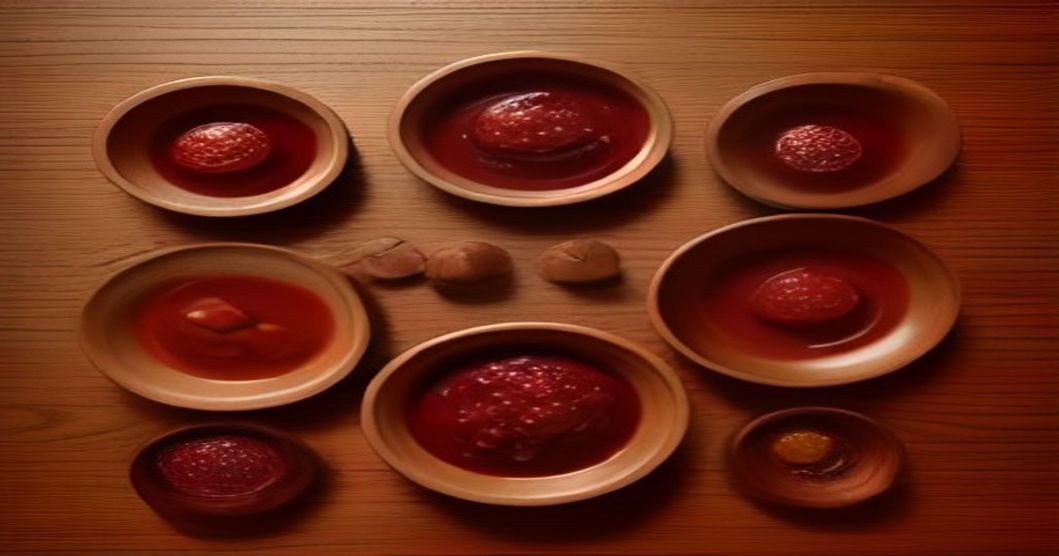
This is the heart of Korean cooking. Gochujang is a thick, rust-red paste made from glutinous rice, soybeans, chili powder, and salt, fermented for months. It tastes spicy, sweet, salty, and earthy all at once—nothing else quite captures that flavor profile.
You’ll find it in tteokbokki (spicy rice cakes), bibimbap, marinades, soups, and stews. A single jar (usually 500g) costs $4–7 and lasts me months. Store it in the fridge after opening; the paste gets better with age. If you’re new to gochujang, start with a standard red jar from a familiar Korean brand—avoid the super-spicy versions until you know your heat tolerance.
2. Doenjang (Soybean Paste)
Doenjang is coarser and earthier than gochujang. It’s the paste that makes doenjang jjigae (soybean paste stew) sing—a comfort dish that’s genuinely hard to replicate without the real ingredient. Unlike miso, which is smooth and sometimes sweet, doenjang is savory and slightly grainy.
It’s less flashy than gochujang, but just as essential. You’ll use it in soups, stews, and braised vegetable sides. A 500g jar costs about the same as gochujang and lasts even longer because you use smaller amounts. Keep it in a cool spot or the fridge.
3. Korean Soy Sauce (Ganjang)
This is darker and saltier than Chinese light soy sauce or tamari. It’s specifically formulated to carry Korean flavors. Use it for seasoning soups, braised dishes, marinades, and as a finishing salt. A bottle lasts a long time—you’re adding it tablespoon by tablespoon, not pouring it freely.
Look for bottles labeled “Korean soy sauce” or “ganjang.” Standard bottles run $4–6. The quality difference between brands is noticeable once you’ve tasted a few, but honestly, any decent Korean soy sauce beats the alternatives. Store in a cool, dark cabinet.
4. Sesame Oil (Chamgireum)
Korean sesame oil is toasted and aromatic—it’s not a cooking oil, it’s a finishing oil. A drizzle on bibimbap, a splash in a soup at the end, a brush on grilled vegetables—that’s where sesame oil shines. It has a lower smoke point than neutral oils, so don’t stir-fry in it. Use it for aroma and depth in the final seconds of cooking or as a raw condiment.
A small dark-glass bottle (around 200ml) is enough. Sesame oil oxidizes faster than other oils, so buy a smaller size and use it up. Price is usually $4–8 for a good quality bottle. Store in a cool cabinet or fridge after opening—the darker glass protects it from light damage.
5. Gochugaru (Korean Red Chili Flakes)
This is ground dried chili, but finer and sweeter than standard red pepper flakes you’d put on pizza. Gochugaru has a fruity, warm heat without the harsh bite of crushed red pepper. You’ll use it for kimchi (spicy fermented vegetables), spicy seasoning blends, and as a garnish.
A small bag (100–150g) costs $2–4 and lasts a while. Store it in an airtight container away from light and heat. If you ever want to make Korean turnip and scallion kimchi, gochugaru is non-negotiable—you can’t substitute chili powder and get the same result.
The Secondary Layer (Add These When You’re Ready)
6. Kombu (Dried Kelp)
Kombu is the foundation of Korean broth (yuksu). A small piece simmered in water unlocks umami depth and a subtle sweetness—the broth becomes naturally savory without any fish sauce or MSG. It’s essential if you’re making soups from scratch, which is honestly worth doing at least once.
A small bag costs $3–5 and lasts ages—you use a 4-inch strip or two per pot of broth. Store it in a cool, dry cabinet. Just rinse it quickly before using (don’t soak unless a recipe specifies).
7. Dried Shiitake Mushrooms
These add earthy depth to broths and cooked vegetables. They’re pricier than fresh mushrooms, but a little goes a long way—you rehydrate them, and the soaking liquid becomes part of your broth. One medium mushroom can flavor a whole pot of soup.
A small bag costs $5–8 depending on quality. Store them in an airtight container. Before using, soak in warm water for 15–20 minutes until soft, then slice. The soaking liquid is liquid gold for Korean soups—never waste it.
8. Anchovy Stock Powder (Myeolchi Yuksu)
This is optional but incredibly useful. It’s dried anchovies ground into powder, a shortcut for broth that’s a touch less pure than making broth from scratch but still deeply savory. A pinch goes in soups, braised vegetables, and rice dishes.
A small container runs $3–5. It keeps for months in a dry cabinet. Not essential, but if you’re busy and want broth flavor without simmering kombu, this is your shortcut.
9. Fish Sauce (Jeotgal) or Salted Shrimp (Saeu Jeot)
Korean fish sauce is lighter and less aggressive than Thai fish sauce. It’s used in marinades, braised dishes, and kimchi for depth of umami. Salted shrimp is another umami bomb—a small spoonful in stews and kimchi adds a briny, savory note.
These are optional—start with the first five essentials. But once you have them, a bottle or jar ($4–6) lasts an entire year. Use sparingly. They smell strong in the bottle but integrate beautifully into cooked dishes.
10. Rice Vinegar (Ssal Sikcho)
Korean rice vinegar is milder and slightly sweet compared to distilled white vinegar or rice vinegar from other countries. It balances the seasoning in soups, pickled vegetables, and dipping sauces without harsh acidity.
A bottle costs $3–5 and lasts years. It’s less critical than the first five items, but it’s a nice-to-have for finishing dishes and balancing spice with acidity—a key technique in Korean home cooking.
Where to Buy and How to Store
Amazon is probably the easiest entry point. You can search for Korean ingredient bundles or buy items individually. Shipping is usually fast, and returns are hassle-free. Prices are competitive, and you’ll find multiple brands to choose from.
Korean grocery stores (online or in-person) are worth exploring if you have access. Prices are often lower, and the stock is fresher because turnover is higher. Local Korean markets also let you taste-test before committing to a large jar.
Regular grocery stores increasingly stock gochujang, soy sauce, and sesame oil in their international aisles. It’s convenient if you’re already shopping there, but the selection is limited and prices are sometimes higher.
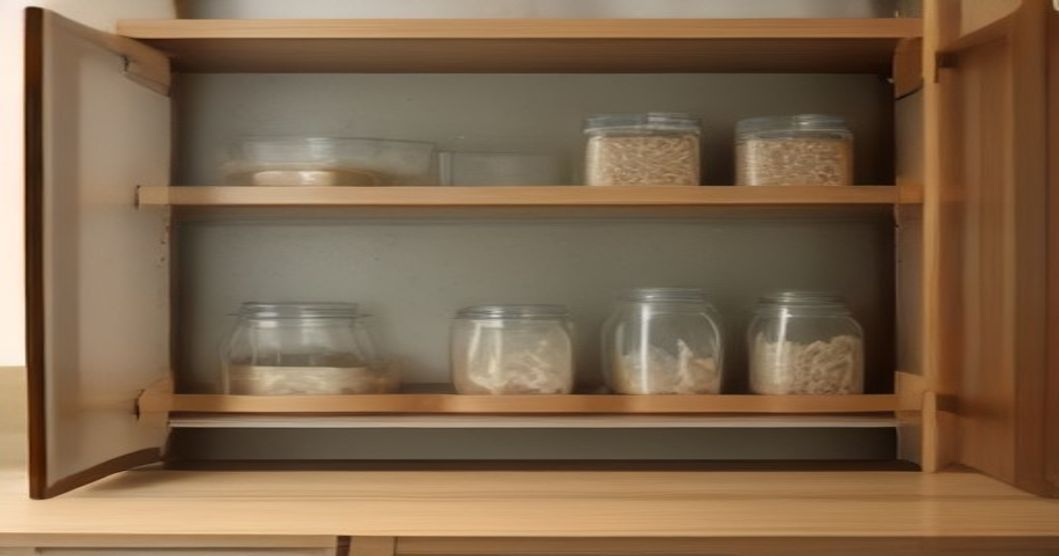
Once you’ve bought everything, store pastes and sauces in a cool, dark cabinet or the fridge. Dried ingredients belong in airtight containers away from light, heat, and moisture. Oils go in cool storage as well. Nothing needs to be in the freezer unless you live somewhere very hot.
How to Use These Ingredients: Real Examples
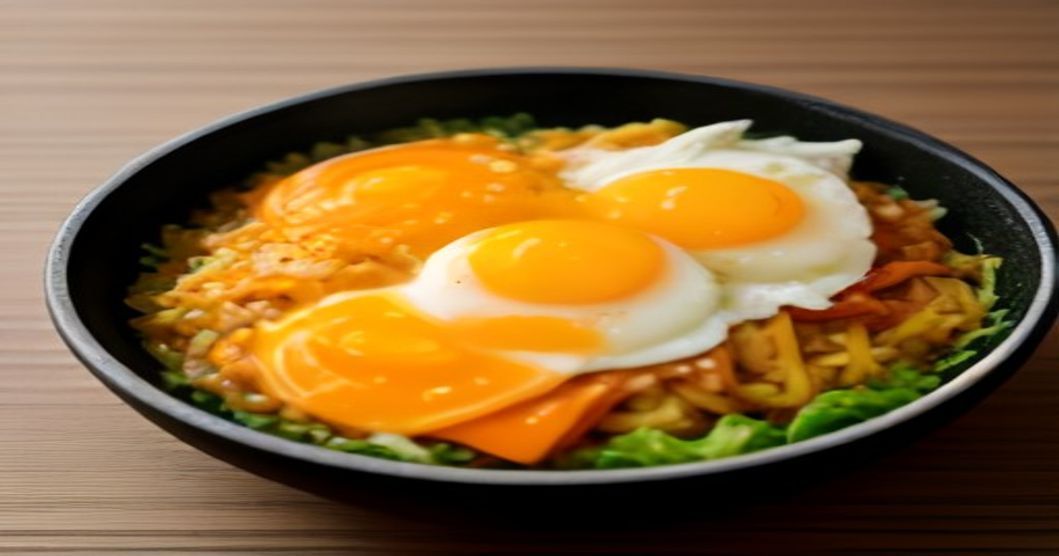
Let’s say you come home tired and want something warm. Boil water, add a piece of kombu, simmer for 10 minutes, then remove it. Add a spoonful of doenjang, a pinch of gochugaru, and a splash of soy sauce. Top with soft tofu, an egg, and a drizzle of sesame oil. That’s a complete, satisfying soup in 15 minutes.
Or: roast vegetables, toss them with gochujang mixed with a bit of sesame oil and soy sauce. Instant banchan (Korean side dish). The gochujang carries the whole dish.
If you’re trying a new instant ramen brand, add a bit of gochujang, sesame oil, and an egg. Suddenly it’s not just ramen—it’s elevated ramen with real flavor.
These ingredients work together. They’re designed to. Once you understand the balance of salt (soy sauce), heat (gochujang, gochugaru), umami (pastes, kombu), and aroma (sesame oil), you can season intuitively and trust your instincts.
Who This Pantry Is For (and Who It Isn’t)
- Anyone who loves Korean food and wants to cook it at home
- People interested in fermented foods and umami-driven cooking
- Home cooks who want flexibility—these ingredients work in soups, stews, stir-fries, and marinades
- Folks who eat the same handful of dishes regularly—one pantry covers you
- You never cook at home or prefer restaurant meals
- You have a limited pantry budget and want maximum versatility (Asian cuisines beyond Korean cooking offer wider ingredient overlap)
- You dislike fermented flavors or umami-forward cooking
- You want a "set it and forget it" pantry with no special storage requirements
The Building Blocks Are Cheap—Start Today
Here’s the practical reality: you can stock a functional Korean pantry for under $40. Seriously. A jar of gochujang, a jar of doenjang, a bottle of soy sauce, a bottle of sesame oil, and a bag of gochugaru adds up to maybe $25–30 total. Add kombu and dried shiitakes, and you’re still under $40.
Once you have those items, you’re not locked into buying anything else. No subscription, no commitment. You have tools that sit in your kitchen indefinitely, waiting for you to use them.
The first time you taste a dish you made yourself using proper Korean ingredients—a real doenjang jjigae, a proper bibimbap, actual tteokbokki—you’ll understand why this pantry matters. The flavors are more complex, more satisfying, more alive than anything you can approximate with substitutes.
Build your Korean pantry starting with gochujang, doenjang, soy sauce, sesame oil, and gochugaru. These five ingredients unlock the majority of Korean home cooking. Add kombu, dried shiitakes, and rice vinegar when you’re ready to deepen your cooking. Everything is affordable, keeps for months, and transforms simple meals into deeply satisfying food. Start with what you can find on Amazon or at a local Korean market, store properly, and you’re set.
Disclosure: This post contains affiliate links. If you click a link and make a purchase, I may earn a commission at no extra cost to you. As an Amazon Associate I earn from qualifying purchases. All recommendations are based on genuine research into ingredient quality, availability, and how these items are used in real Korean home cooking—not financial incentives.