How to Make Spinach and Sesame Oil Kimchi: A Mild Fermented Side Dish Without Gochugaru
Disclosure: This post may contain affiliate links. We may earn a commission on qualifying purchases at no extra cost to you.
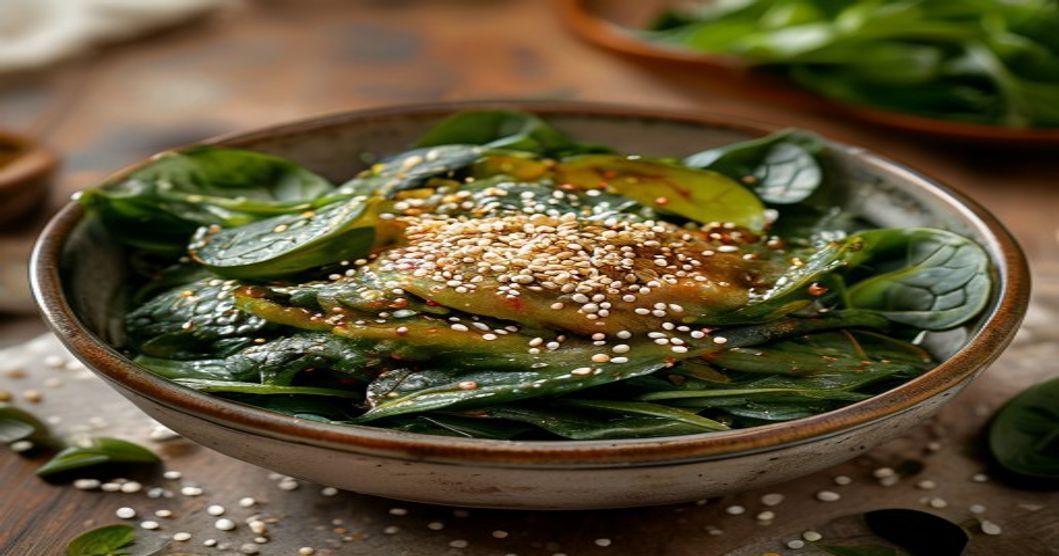
Spinach and sesame oil kimchi is a gentler, naturally sweet fermented side dish that skips the heat and leans hard into nuttiness. You get the probiotic punch of traditional kimchi without the fiery gochugaru kick—perfect if you’re new to fermented foods, feeding a mixed-heat crowd, or just craving something that doesn’t make you sweat. The whole thing takes about 20 minutes hands-on time, ferments in 2-3 days at room temperature, and tastes even better after a week in the fridge.
Make spinach and sesame oil kimchi if you want a mild, umami-forward fermented side that’s faster to prepare than traditional cabbage kimchi and works for heat-sensitive eaters. It’s the easiest entry point into Korean fermented cooking.
Why This Spinach Kimchi Works (And Why You’ve Probably Never Tried It)
Standard kimchi relies on gochugaru (Korean red chili flakes) and heat for its signature funk. This version ditches that entirely and doubles down on toasted sesame oil, garlic, and ginger instead. The result? A ferment that tastes clean and alive, without the aggressive spice that shuts down your palate.
Spinach ferments faster than cabbage, too. Leafy greens have thinner cell walls, so they release brine quicker and start developing those good sour, tangy notes within 48-72 hours instead of a week. That means you can literally make this on Friday night and have it ready by Sunday dinner.
The sesame oil is doing heavy lifting here—it adds fat, richness, and a toasted flavor that normally comes from red pepper in traditional kimchi. Combine that with umami-rich garlic, sharp ginger, and a touch of salt, and you’ve got a side dish that plays as well alongside grilled meat or rice bowls as it does in a mixed vegetable spread.
Ingredients You’ll Need
Keep this simple. You’re not making stock or a complex sauce—just good greens, good oil, and aromatics.
- 1.5 pounds fresh spinach (about 2 bunches; baby spinach works, but mature spinach has better chew)
- 3 tablespoons toasted sesame oil (non-negotiable; regular sesame oil tastes flat by comparison)
- 1.5 tablespoons sea salt or kosher salt (adjust to taste once mixed)
- 6 cloves garlic, minced very fine (or 1.5 teaspoons garlic powder if you’re in a hurry, though fresh is better)
- 1 teaspoon fresh ginger, minced (or about ½ teaspoon ground ginger)
- 1 tablespoon toasted sesame seeds (plus more for serving)
- Optional: ½ teaspoon white pepper, a pinch of sugar if your spinach tastes too bitter
That’s it. No fish sauce, no anchovies, no complex seasoning blend. This recipe is proof that restraint makes kimchi sing.
The Step-by-Step Method
Step 1: Prep and blanch the spinach (5 minutes)
Rinse your spinach thoroughly—dirt hides in those curled leaves. Bring a large pot of salted water to a boil (it should taste like seawater). Plunge the spinach in and stir gently for about 1 minute. The leaves will collapse and turn a bright, almost neon green. That’s your cue to pull them out.
Transfer the spinach to a colander and let it cool for a couple minutes. Then, working in handfuls, squeeze out as much water as you can manage. Don’t be timid here—excess water dilutes your brine and throws off fermentation timing. Squeeze until your hands cramp slightly, then squeeze some more.
Step 2: Make your seasoning paste (3 minutes)
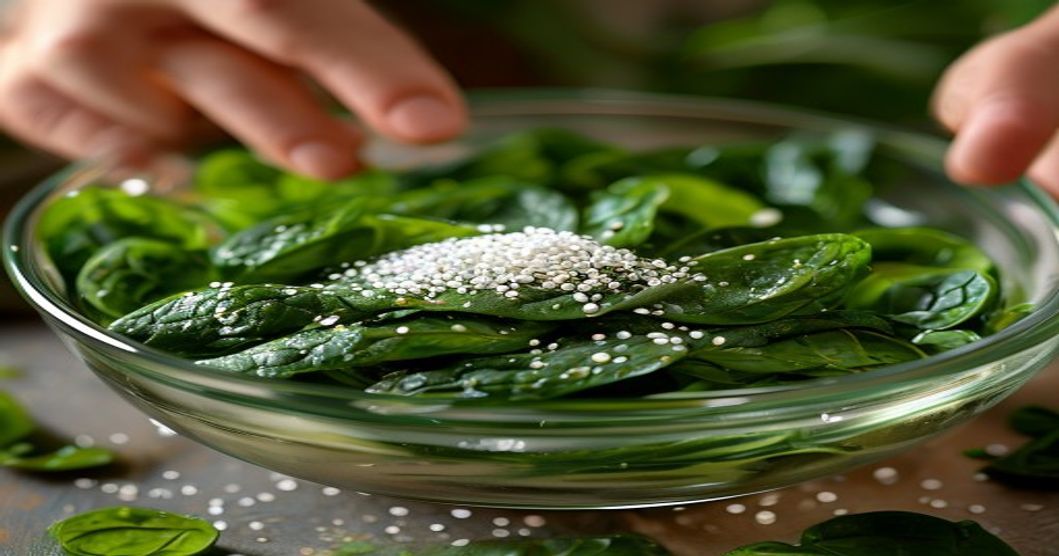
In a small bowl, whisk together the sesame oil, salt, minced garlic, minced ginger, and sesame seeds. Taste it—it should be salty but not punishing, toasty from the oil, with sharp garlic and warm ginger notes. If it tastes flat, you need more salt or more garlic. If it’s too harsh, a tiny pinch of sugar mellows it out.
Step 3: Coat the spinach (4 minutes)
Put your squeezed spinach into a large glass or ceramic bowl (avoid metal—the acidity of fermentation can react). Pour the seasoning paste over it and fold gently but thoroughly with your hands or a wooden spoon. Every strand should glisten with oil and be evenly coated with garlic and ginger. This is your moment to taste a raw strand and adjust salt if needed.
Step 4: Pack into jars and ferment (2 minutes hands-on)
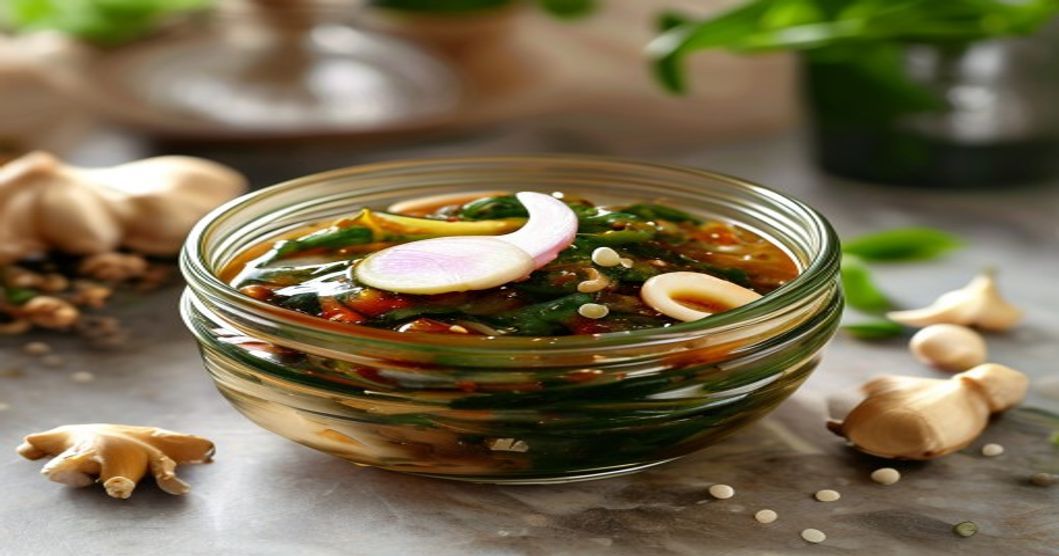
Transfer the seasoned spinach to a clean glass jar or airtight container. Pack it down—not violently, but firmly enough that the greens compact and brine rises to the top. You want the spinach submerged; if the top bits are poking above the liquid, they can develop surface mold.
Leave the jar on your counter, loosely covered (or covered with a cloth), at room temperature. The first 24 hours you might see some bubbles—that’s fermentation starting. Leave it alone. After 2-3 days, give it a taste. If it’s sour and funky enough for you, move it to the fridge. If you want it sharper, leave it another 1-2 days.
Fermentation speed depends on how warm your kitchen is. In summer (68–75°F), expect 2-3 days. In winter or a cool kitchen (55–60°F), add a day or two. If your place stays above 75°F, ferment it in a cool cupboard or move it to the fridge by day 3 so it doesn’t over-sour and turn mushy.
Common Mistakes to Avoid
Skipping the blanch. Raw spinach wilts and releases too much water too fast, creating a mushy, waterlogged ferment. Blanching sets the color, firms the texture, and removes excess moisture all at once.
Using regular (not toasted) sesame oil. Regular sesame oil is pale, delicate, and almost flavorless. Toasted sesame oil is dark, intense, and nutty. They’re different products. Get the dark one from the Asian aisle or online—it’s cheaper than you’d expect and worth every penny.
Not squeezing out water aggressively enough. This is your number-one enemy. Wet spinach creates too much brine, and the ferment stalls or turns into a mushy soup. Squeeze until you think you’re done, then squeeze again.
Storing it at room temperature for more than a week. After fermentation is complete, move it to the fridge immediately. Cold slows bacterial activity and stops the ferment from becoming unpleasantly sour or developing weird off-flavors.
How to Serve This Spinach Kimchi
This is a banchan—a Korean side dish meant to live on the table alongside rice, soup, and a main protein. Serve it cold or at room temperature, often in a small dish, just a mouthful or two per bite.
It pairs especially well with fatty foods: samgyeopsal (grilled pork belly), galbi (grilled short ribs), or even just scrambled eggs and toast if you’re eating it for breakfast. The sesame oil richness and fermented tang cut through the fat and refresh your palate between bites. It’s also stunning on bibimbap (mixed vegetable and rice bowl)—toss a handful on top for texture and flavor.
In soups, a spoonful of this kimchi adds depth and complexity without overwhelming heat. Try it in doenjang jjigae (soybean paste stew) or even in Western dishes—a few strands on a grilled cheese sandwich or tossed through avocado toast introduces an unexpected umami punch that makes people ask what the secret ingredient is.
Scaling Up or Down
The ratios here are flexible. If you want more ferment, simply scale everything by weight. The formula is roughly 2% salt by weight of spinach, 2 tablespoons sesame oil per pound, and adjust garlic and ginger to your taste. Double it, halve it, make just enough for one meal—the method stays identical.
If you’re planning to make larger batches regularly (say, 3-4 pounds at a time), consider investing in a fermentation crock or a proper kimchi jar with a weighted lid. A basic crock costs around $20-40 on Amazon and makes the job easier, though a regular mason jar works just fine for smaller quantities.
What Makes This Different From Traditional Kimchi
Traditional napa cabbage kimchi (the kind you buy in jars at every Korean restaurant) relies on gochugaru, fish sauce, and shrimp paste for its funk and heat. This spinach version is the opposite—clean, mild, and herbaceous. It’s not trying to be traditional kimchi. It’s its own thing: a fermented spinach side that happens to use the same basic fermentation principles as kimchi but with an entirely different flavor profile.
Some people call this “sigeumchi namul” with fermentation, which is fair. Sigeumchi namul is a Korean sesame spinach side dish, usually served cold and dressed just before eating. This version ferments that idea, transforming the raw spinach into something with sour complexity and deeper umami.
If you want to explore other mild kimchi options, check out our guide on how to make kimchi with leek and carrot for a milder fermented side dish. Or if you’re interested in fermentation methods, our piece on making kimchi in a mason jar without refrigeration for camping and road travel covers portable fermentation. For total beginners, our beginner’s guide to kimchi at home walks through the fundamentals step by step.
Storage and Shelf Life
In the fridge, this keeps for 2-3 weeks easily. The cold slows fermentation to almost a standstill, so it won’t develop off-flavors or turn mushy. If you see any white mold on the surface (which occasionally happens even with careful handling), scrape it off—it’s harmless, just a surface yeast. The rest of the jar is fine. If the smell is genuinely rotten or unpleasant, toss it and start fresh.
Pro move: Make a batch, eat it over 2-3 weeks, then make another while you finish the first jar. Rotating fresh ferments ensures you always have good kimchi on hand and never waste it.
- Ready in 2-3 days, faster than cabbage kimchi
- Mild, no heat—works for sensitive eaters
- Nutty sesame flavor is unique and addictive
- Simple ingredient list, minimal prep
- Pairs well with almost any meal
- Spinach is more delicate; easier to over-ferment into mush
- Toasted sesame oil can be hard to find in some areas
- Shorter shelf life than cabbage kimchi (2-3 weeks vs. months)
- Lacks the intense, complex heat of traditional kimchi
Who This Recipe Works For (And Who It Doesn’t)
This is for you if:
- You’re new to fermented foods and want to start with something gentle
- You can’t tolerate spicy food but love umami and funk
- You want a quick ferment (2-3 days instead of a week)
- You’re feeding kids or people with sensitive stomachs
- You love sesame oil and want it to be the star flavor
- You grow spinach and want to preserve it beyond fresh
This is NOT for you if:
- You crave the authentic gochugaru heat of traditional kimchi
- You want ferment that lasts for months in the fridge
- You prefer the firm, dense texture of fermented cabbage
- You’re looking for a vegan ferment (fish sauce and shrimp paste are traditional; this spinach version is vegetarian, but use your own discretion)
- You’re in a very warm climate where fermentation speeds up unpredictably
Spinach and sesame oil kimchi is one of the easiest ways to break into fermented cooking. It’s ready in days, tastes nutty and complex instead of aggressively hot, and works with almost any meal. Squeeze your spinach dry, don’t skip the blanch, and use quality toasted sesame oil—that’s 90% of success right there. Make a jar this week and you’ll be surprised how quickly it becomes a staple.
Final Tips for Success
Fermentation is forgiving, but a few details matter. Use good salt (sea salt or kosher salt, not iodized table salt—iodine can inhibit fermentation). Keep your jar and utensils clean. Taste often and trust your palate over a recipe—if it’s sour enough for you after 2 days, move it to the fridge. If you want it funkier, wait another day or two. There’s no police coming to arrest you for under- or over-fermenting.
And remember: fermentation is about good bacteria, not bad bacteria. If it smells like fresh garlic, sesame, and sourness (like buttermilk or yogurt), you’re golden. If it smells like rotting eggs or actual rot, toss it. Your nose is the best quality control you have.
Affiliate Disclosure: This article contains affiliate links, and I may earn a commission if you make a purchase through them. I only recommend products and resources I genuinely find useful. As an Amazon Associate I earn from qualifying purchases. These commissions help support the site at no extra cost to you.